Exploring the Characteristics of a 1.75 Carat Diamond
Intro
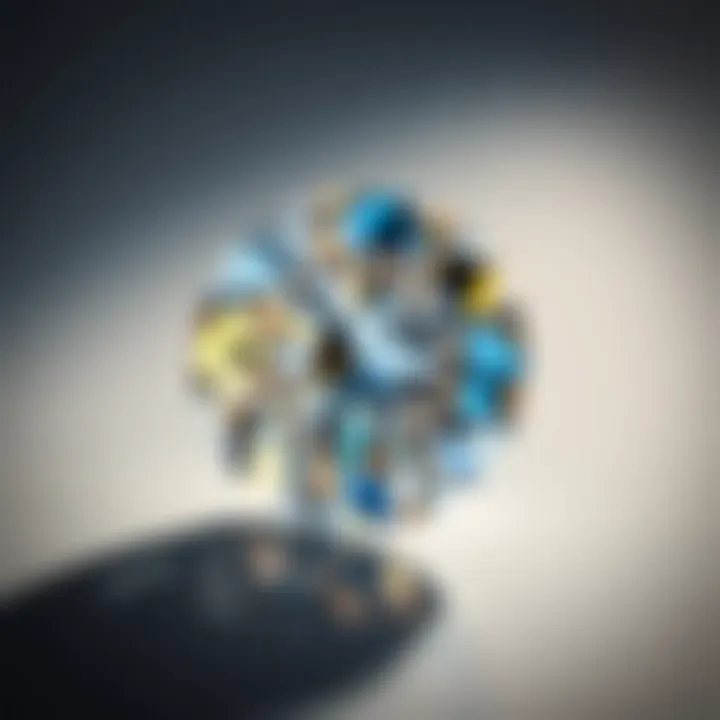
When discussing diamonds, the conversation often circles back to carat weight, a term that can spark a mix of admiration and confusion among enthusiasts and collectors alike. A 1.75 carat diamond sits at an interesting intersection of elegance and desirability. As one dives into the characteristics that define this gemstone, it becomes clear that understanding its dimensions involves much more than just the mere weight. The interplay of cut, color, and clarity plays an indispensable role in portraying the overall beauty and value of the stone.
In today’s gem-centric world, this article aims to peel back the layers surrounding a 1.75 carat diamond, revealing insights that can empower potential buyers or curious collectors alike. Its physical attributes, metaphysical significance, and practical applications in jewelry settings will be explored in depth, inviting you to appreciate this captivating gemstone on a multifaceted level.
Gemstone Overview
Description of the Gemstone
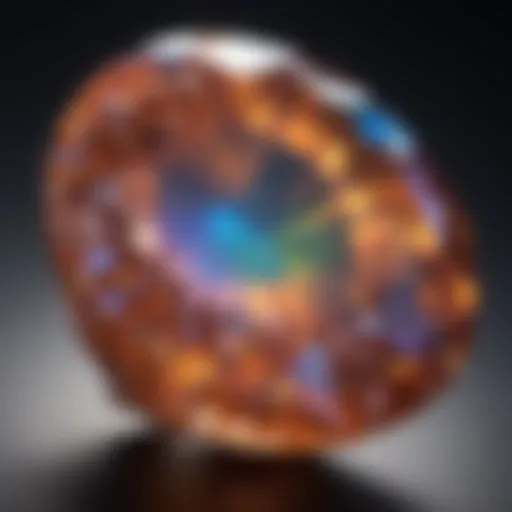
A diamond is not just an ordinary mineral; it's a highly valued result of nature's artistry. In essence, diamonds are formed from carbon under extreme heat and pressure over millions of years. The characteristic brilliance and fire of a 1.75 carat diamond correlate strongly with how well it is cut, enhancing its ability to reflect light beautifully into a spectrum of colors.
Physical Properties
When it comes to physical properties, a 1.75 carat diamond typically measures approximately 7.5 mm in diameter for a round brilliant cut. Here are some properties worth noting:
- Cut: The cut determines how light interacts with the diamond, influencing its sparkle.
- Color: While ideally colorless diamonds are preferred, shades can range from completely transparent to faint yellow or brown.
- Clarity: Clarity refers to the presence of internal or external flaws, otherwise known as inclusions and blemishes. The fewer there are, the higher the value.
Interestingly, the visual impact of a diamond doesn’t solely rest on its weight. A well-cut diamond can appear larger than its actual carat weight, while a poorly cut diamond may look smaller and lack brilliance.
"The beauty of a diamond is magnified through its cut, transforming rough stones into sparkling wonders."
Engaging with a 1.75 carat diamond means looking beyond just numbers; it’s about how the stone tells a story of both nature’s design and human craftsmanship. For both collectors and casual admirers, understanding its nuances paves the way for informed decisions in the world of gemstones.
Prelude to Diamond Carat Weight
When it comes to selecting a diamond, understanding its carat weight is the cornerstone of the entire buying process. Carat weight significantly influences not only the price tag but also how the diamond will appear to the eye. A 1.75 carat diamond straddles a sweet spot—it's large enough to capture attention, yet remains within a budget for many buyers. Knowing the intricacies of carat weight helps buyers make informed choices, maximizing their investment while ensuring they select a stone that truly reflects their taste and style.
Defining Carat Weight
Carat weight is a measure of a diamond's size, specifically its weight in metric carats, where one carat equals 0.2 grams. To put it simply, carat weight indicates how heavy a diamond is. However, bigger doesn't necessarily mean better in the world of diamonds. Two diamonds can share the same carat weight, yet appear different in size, due to variations in their cut, shape, and proportions.
An oft-overlooked point is that carat weight does not linearly equate to physical dimensions, which can be perplexing for many. For instance, a diamond weighing 1.5 carats may look smaller than another weighing 1.25 carats, if the former has a deeper cut. The practical implication of this is clear; when considering carat weight, one must also take into account the diamond’s cut specifications to assess how it will actually appear on the finger or in a pendant.
The Origin of the Carat System
The term "carat" finds its roots in the carob seeds that traders once used as a unit of measure in the marketplace. These seeds were consistent in size and weight, providing a reliable way for sellers to gauge the weight of their gemstones. Over time, the carat system evolved to become standardized, allowing for a universal metric that everyone in the gem industry could rely upon.
This transition to a standardized carat measurement dates back to the late 19th century, when the International Decimalized Carat System was adopted. Today, the carat remains an essential piece of the puzzle in understanding diamond valuation, alongside other factors like cut, clarity, and color.
"A diamond's true beauty is not only tied to its carat weight, but a careful interplay of its cut, color, and clarity. To truly appreciate a diamond, one must view the full picture."
Recognizing the historical context of the carat system enriches our understanding of its significance. This knowledge can empower buyers, enabling them to navigate the complex world of diamonds with a clearer perspective and an appreciation for the intricate qualities that make each stone unique.
Physical Dimensions of a 1. Carat Diamond
The significance of physical dimensions when discussing a 1.75 carat diamond cannot be overstated. Carat weight alone does not tell the full story. The actual measurements—primarily diameter and depth—play a fundamental role in how a diamond appears to the naked eye. For those seriously considering this investment or simply wanting to enhance their knowledge, understanding these dimensions is essential.
When evaluating a diamond, its physical dimensions can directly impact its overall beauty, brilliance, and presence. While two diamonds may share the same carat weight, their visual appearances can be drastically different due to variations in size, cut, and other factors. This section will explore the specifics of the average measurements and how proportions affect the allure of a 1.75 carat diamond.
Average Measurements
Diameter
The diameter of a 1.75 carat diamond typically ranges around 7.3 - 7.5 mm. This measurement refers to the width of the diamond when viewed from above, and it is a key factor in determining its appearance. A larger diameter generally translates to a more impressive look. This measurement gives the diamond a 'presence' on the hand, often serving as a focal point in any jewelry setting.
The attractiveness of a wider diameter is that it tends to maximize light reflection, leading to enhanced brilliance. On the flip side, if a diamond is too shallow, it can appear larger in diameter but sacrifices sparkle. Hence, while a larger diameter can be seen as a beneficial trait, it's essential to balance it with depth and overall cut to ensure the diamond radiates enchanting light performance and not just apparent size.
Depth
The depth of a 1.75 carat diamond typically falls between 4.5 - 5.0 mm. This measurement refers to the distance from the table of the diamond to the culet. Depth plays a crucial role because it influences how light interacts within the stone. A well-proportioned depth allows light to enter and reflect properly, enhancing a diamond's fire and brilliance.

A diamond that is too deep can internally hide light, leading to reduced sparkle. Conversely, a too-shallow diamond might let light escape too quickly, also diminishing visual appeal. Thus, while depth can be a unique feature that strongly influences how a diamond performs visually, it is most beneficial when synchronized with its diameter, helping to create harmonious proportions that are key to the diamond's overall aesthetic appeal.
Proportions and Their Importance
In the realm of diamonds, proportions serve as the heartbeat of a stone’s allure. The delicate balance between diameter and depth determines how well the diamond can reflect light, which is crucial to its overall allure. Properly proportioned diamonds not only maximize brilliance but can also create an illusion of size, making them appear more substantial than they are. Buyers should pay close attention to the diamond's proportions as they can substantially affect both beauty and, ultimately, value.
In summary, understanding the physical dimensions—including diameter and depth—of a 1.75 carat diamond goes a long way in guiding buyers toward an informed, satisfying choice. A comprehensive knowledge of these elements contributes to an appreciation of the diamond's complete package, ensuring that enthusiasts are well-prepared for their next investment.
Factors Influencing Appearance
When it comes to diamonds, the adage "it's not just what you have, but how it’s presented" rings particularly true. Several factors play pivotal roles in shaping the overall appearance of a diamond, especially one that weighs 1.75 carats. These include the cut, color, and clarity.
Each element contributes not only to the stone's aesthetic beauty but also to its value in the marketplace. Understanding these factors allows potential buyers to make informed decisions, enhancing their appreciation of gemstones that display the perfect sparkle and allure.
Role of Cut
Types of Cuts
The cut of a diamond refers to how well it has been shaped and faceted. The skill of the cutter can transform a rough stone into a radiant masterpiece. There are several types of cuts — round, princess, emerald, and many others — each with its distinctive characteristics. The round cut stands out as one of the most popular choices because of its ability to reflect light beautifully, enhancing the stone’s fire and brilliance.
A round diamond, for instance, tends to offer a classic look, which makes it a favored option for engagement rings. In contrast, an emerald cut, with its elongated shape and step-like facets, provides a vintage vibe that appeals to those looking for something unique. This variety in cuts allows buyers to cater their choices to personal style, making it a significant consideration when purchasing a 1.75 carat diamond.
Impact on Brilliance
How a diamond sparkles is a direct result of its cut – this is where it gets interesting. The angles and proportions of the facets dictate how light interacts with the stone. A well-cut diamond has the ability to bend light in such a way that maximizes its brilliance, significantly impacting its overall appeal. For example, if the proportions are off even slightly, the diamond can appear dull, not living up to its potential.
The brilliance comes from the reflections bouncing around within the diamond, creating dazzling light displays that capture the eye. In essence, a diamond that is cut to perfection will dazzle and catch the attention of anyone who lays eyes on it.
Color Grading
Understanding Color Scale
When discussing diamonds, one cannot overlook the importance of color grading. Typically, diamonds are evaluated on a scale ranging from D (colorless) to Z (light yellow or brown). A 1.75 carat diamond that leans towards a D grade is likely to fetch a higher price due to its rarity and desirability.
Colorless diamonds allow the most light to pass through and reflect, adding to their brilliance. In contrast, as the color grade descends, the presence of tints becomes more noticeable, which can detract from the overall beauty of the stone. A keen eye for color grading can be immensely beneficial for both buyers and sellers navigating the diamond market.
Impact on Value
The color grade of a diamond significantly affects its resale price. A higher-grade diamond — one that is close to colorless — tends to hold its value better than a diamond with noticeable color defects. For anyone investing in a 1.75 carat diamond, understanding this grading can help ensure that they make a wise investment, setting the values straight from the outset.
Clarity Assessment
Understanding Inclusions
Clarity refers to the presence of internal or external flaws, known as inclusions and blemishes, within a diamond. These imperfections can affect how light interacts with the diamond, influencing not only its sparkle but also its overall value. For a 1.75 carat diamond, a clarity grade of SI1 (Slightly Included) or better is often sought after, as this ensures that any imperfections are not readily visible to the naked eye.
Inclusions come in various shapes and sizes, from tiny black specks to larger, more pronounced features. Understanding the types and their locations on the diamond can be essential in choosing the right stone, as some inclusions are less noticeable than others.
Impact on Diamond's Appearance
The clarity of a diamond directly correlates with how it appears to the wearer and the observer. A high-clarity stone sparkles vibrantly, while one with more inclusions may appear somewhat dull or cloudy. For someone looking for an elegant piece, investing in clarity is crucial. While it's possible to find a more affordable diamond with lower clarity, the visual rewards of a higher-quality diamond are often well worth the investment.
"A diamond's true beauty shines through not just in its carat weight, but in the cut, color, and clarity—each facet telling a story of light and life."
Ultimately, a complex interplay of these factors dictates how brilliantly a 1.75 carat diamond will perform, making them essential considerations for buyers in search of the perfect stone.
Comparison with Other Carat Weights
When contemplating the dimensions and value of a 1.75 carat diamond, comparing it with other carat weights is crucial to fully grasp its significance and beauty. The differences between various carat weights can greatly influence not only the visual appeal of the diamond but also its price point and overall desirability. For gemstone enthusiasts and potential buyers alike, understanding these comparisons provides insights into which carat weight aligns with personal tastes and budgets.
Carat vs 1. Carat
At first glance, one might think a mere difference of 0.75 carat wouldn’t make a substantial impact. However, the distinction truly varies in multiple aspects. A 1 carat diamond typically measures around 6.4mm in diameter, while a 1.75 carat diamond can span about 7.3mm. This slight increase in size may seem trivial, but it can significantly alter the visual impression. A larger diamond not only catches the light more effectively but also can convey a stronger sense of luxury and presence.
- Pricing Consideration: The price increase reflects not just the carat weight but also the rarity of larger stones. A 1 carat diamond might be seen as a baseline for many buyers, while a 1.75 carat stone can tip the scales into a higher market tier, appealing to those seeking something a bit more extravagant.
- Value Retention: Buyers investing in larger carat weights, such as 1.75, often find that these stones hold their value better over time, especially if they have high-quality cut, color, and clarity. This means that if you choose to resell in the future, you're more likely to recoup a respectable portion of what you paid.
In essence, while both 1 and 1.75 carat diamonds have their distinct merits, the latter offers a more striking presence and enhanced value potential.
Carat Diamonds
Looking towards 2 carat diamonds, the differences only grow more pronounced. A 2 carat diamond typically has an approximate diameter of 8.1mm, which is not only noticeably larger but often commands a significantly higher price tag. Here, buyers might start to experience a tipping point where size, quality, and craftsmanship come even more into play.
- Aesthetic Appeal: A diamond just shy of 2 carats often looks significantly larger than its one-carat counterpart, creating an eye-catching elegance. For jewelry designers, understanding the visual impact of size becomes vital when crafting pieces that are meant to dazzle.
- Investment Perspective: As carat weight grows, so does the value, particularly with popular sizes like 2 carats. However, it's important to weigh the cost per carat. A 2 carat diamond can sometimes lead to a sharp increase in price per carat due to its perceived rarity.
- Certification and Knowledge: Furthermore, as you move into higher carats, ensuring the diamond is certified from a reputable grading laboratory can offer peace of mind. It assists potential buyers in justifying the investment by transparently showcasing characteristics like cut quality and color grade.
Overall, whether one's eye is set on a splendid 1.75 carat diamond or leaning towards a stunning 2 carat stone, the key lies in understanding how even small increments can lead to big differences in visual appeal, value, and desirability.
"The distinction in carat weight may seem minor, yet it shapes perceptions of luxury and significance in the gem world."
As you explore further along the diamond weight spectrum, it’s essential to keep both the artistic element and practical considerations in mind. By evaluating how each carat weight impacts both aesthetics and investment potential, you can make well-informed decisions.
Popular Jewelry Settings for 1. Carat Diamonds
Selecting the right jewelry setting for a 1.75 carat diamond is crucial for both enhancing its beauty and personalizing a piece. A well-chosen setting not only accentuates the diamond itself but also complements the wearer’s style. Different settings can transform how the diamond appears, affecting its brilliance and overall appeal.
Moreover, the setting plays a significant role in protecting the diamond. With a weight of 1.75 carats, this size strikes a balance between noticeable yet manageable, making it a favorable choice for various types of jewelry. Let's explore some popular settings that one might consider when shopping for a diamond of this caliber.
Engagement Rings
Single Stone Settings
Single stone settings, often called solitaire settings, feature a single diamond, allowing it to take center stage. This arrangement highlights the diamond's brilliance and clarity, which is often significant in a 1.75 carat stone. Most wearers appreciate how simple yet elegant these settings are.
The beauty of a single stone setting lies in its minimalist charm. It allows the diamond’s natural characteristics to shine without distraction. Furthermore, it speaks to a classic timelessness that many find appealing. This style is a solid choice for those wanting a ring that feels both special and uncomplicated.
However, a single stone setting also comes with potential downsides. Its minimal structure means more vulnerability to wear and tear. Shielding the diamond from scratches and damage requires regular attention. Still, the visual impact it creates is hard to beat, appealing to those who value clarity above all else.
Halo Settings
Halo settings are another increasingly popular choice, particularly for 1.75 carat diamonds. In this design, smaller stones encircle the main diamond, enhancing its size and sparkle. This extra sparkle complements the diamond beautifully and enlarges its appearance without the weight of actually purchasing a larger stone.
A key feature of halo settings is their attention-drawing design. The surrounding diamonds find a way to catch the light, producing a radiant effect that can be breathtaking. This setting can be an excellent choice for individuals looking for uniqueness and glamour.
On the flip side, one must consider the maintenance involved. The added stones require additional cleaning and care. Because of their small size, they can accumulate dirt faster than larger stones. Yet, for those who appreciate a bit more flair, the advantages of halo settings far outweigh these minor considerations.
Earrings and Pendants
When it comes to earrings and pendants, the flexibility of using a 1.75 carat diamond is quite appealing. These items allow for varied enjoyment of the diamond's aesthetics without the commitment of a ring.
With earrings, you can opt for stud styles, which pair well with the diamond's weight and size, emphasizing a refined symmetry. Alternatively, a drop or dangle design can offer movement and create a captivating sparkle with every turn of the head.
In pendants, a 1.75 carat diamond often serves as a statement piece, especially when set in a refined or artistic design. Without a doubt, they provide the ideal opportunity to showcase the diamond's sparkle while allowing the wearer to express their unique style.
Assembling a diamond in these versatile formats can provide an excellent opportunity to explore various creative avenues while keeping the fundamental essence of the diamond intact. With the right setting, a 1.75 carat diamond can truly shine in earrings or a pendant and can elevate everyday attire into something extraordinary.
Purchasing Considerations
When it comes to selecting a 1.75 carat diamond, understanding key purchasing considerations is crucial. This decision involves more than just choosing a size; a variety of elements can influence not only what you end up buying but also how satisfied you will be with your purchase long-term. It’s vital for buyers to be aware of certification, as it can heavily impact the perceived value of the diamond. Certified diamonds provide assurance that the gem has been evaluated by a reputable grading institution, while non-certified diamonds may lack transparency regarding their quality.
Additionally, knowing where to buy can also shape your experience and satisfaction. This includes recognizing the significance of purchasing from reputable retailers and exploring online options that have become increasingly popular. Each choice carries its own set of nuances regarding quality assurance, return policies, and customer service, which ultimately affects the buyer's overall experience.
Certified vs Non-Certified Diamonds
Opting for certified diamonds is an investment that can significantly influence the quality perception and value of your 1.75 carat diamond. When a diamond is graded, it undergoes thorough inspection by a professional gemologist, which adds a layer of trust and reliability to your purchase. Engaging with certification organizations, like GIA (Gemological Institute of America) or AGS (American Gem Society), ensures objective quality assessment based on criteria such as cut, color, clarity, and carat weight.
Conversely, non-certified diamonds might offer immediate savings, but they come with questions about their actual quality. Without an official certification, the risks of poor quality or undisclosed flaws increase. While the allure of a non-certified option can seem enticing, it may turn out to be a gamble that isn’t worth taking in the long run.
Where to Buy
Reputable Retailers
Purchasing from reputable retailers can markedly assure you of authentic quality. Renowned jewelers often provide diamonds with clear documentation and return policies, which builds confidence for buyers exploring the market. A key characteristic of these retailers is their leaning towards transparency, which allows you to scrutinize the details of your potential buy thoroughly.
Many reputable jewelry stores also have knowledgeable staff available to discuss cut, color, and clarity in relation to your personal preferences, offering tailored advice. This personalized customer service can be a game-changer for buyers who are looking for assurance and expertise during their purchase journey. Additionally, the advantage of buying from a well-established retailer is access to warranties or guarantees, which protect your investment in case something goes awry post-purchase.
Online Options
Diving into the realm of online options has become a fruitfully appealing alternative for many diamond shoppers. Online stores offer an abundance of choices, often at competitive prices compared to physical retailers. One core characteristic of this purchasing method is the convenience it provides, allowing you to browse a wider selection from the comfort of your home. Plus, many online retailers provide extensive searching filters, so you can find just the right diamond that fits your criteria.
However, the unique feature here is the varying levels of trust with different online platforms. Not all websites carry reputable diamonds, and buyers must exercise caution in verifying vendor credibility. On the plus side, well-known online jewelers often have extensive reviews, supportive customer service, and well-established return policies. Still, potential buyers should be aware of the challenges, such as not being able to physically inspect the diamond until after the purchase, which can lead to unexpected results in terms of size or quality.
Caring for a 1. Carat Diamond
Taking care of a 1.75 carat diamond is crucial for preserving its splendor and value over time. Unlike a common bauble, this size is often a significant investment, potentially carrying sentimental value as well. Thus, understanding proper care for your diamond is not merely about maintenance; it represents respect for a gemstone that took thousands of years to form.
Caring for your diamond involves two major aspects: cleaning and storage. Both can significantly impact the appearance and longevity of your gemstone, ensuring that it sparkles brightly and resists wear, making it essential to grasp these considerations.
"A diamond is forever, but only if cared for rightly."
Cleaning Techniques
Keeping your diamond clean is one of the simplest yet most effective ways to maintain its brilliance. Diamonds can attract dirt and oils from your skin—this can dull their sparkle. While commercial cleaners are available, you can also adopt affordable methods that are equally effective.
- Soapy Water: Mix a few drops of mild dish soap with warm water. Soak your diamond in the solution for around 20-30 minutes. Afterward, use a soft toothbrush to gently scrub the stone, particularly around the setting. Rinse it off with clean water.
- Ultrasonic Cleaners: If you're keen on a deeper revive, ultrasonic cleaners can work wonders. Just make sure your diamond is secure in its setting, as the vibrations might loosen stones that are not well-fixed.
- Professional Cleaning: For pieces with intricate settings or additional gemstones, consider professional cleaning at least once a year. Experts have the tools and experience to avoid damaging the diamond.
Important Note: Avoid harsh chemicals and cleaners. They can dull the surface of your diamond or even harm the setting.
Storage Recommendations
Storing your diamond correctly can help prevent damage or scratches. Diamonds are hard but can still be susceptible to chipping when in contact with other hard substances. Here are some tips for proper storage:
- Separate Storage: Each piece should be kept in its own soft pouch or box lined with fabric. This minimizes the risk of scratching by preventing direct contact with other jewelry.
- Avoid Humidity: Diamonds shouldn't be stored in damp locations. High humidity can lead to the growth of mold or mildew on softer gemstones in the jewelry piece, weakening the overall setting.
- Safe Spaces: Ideally, store your jewelry in a safe or a locked drawer to prevent theft. If you choose to keep it in a display case, ensure that it has a lock and is not easily accessible to curious hands.
- Insurance: If your 1.75 carat diamond is an investment, consider insuring it. This adds a layer of safety and peace of mind should anything go wrong.
By following these straightforward cleaning and storage techniques, you can keep your 1.75 carat diamond looking as radiant as the day you first laid eyes on it, ensuring that its value remains intact for years to come.
Closure
Concluding this exploration of a 1.75 carat diamond offers an opportunity not just to recap vital insights but also to reinforce the diamond's unique appeal. Throughout this article, we have gained an extensive understanding of how carat weight connects to the physical dimensions of diamonds, specifically how a 1.75 carat diamond sits in the broader range of options available to consumers.
The essence of this section lies in its ability to encapsulate the benefits of understanding these nuances. A 1.75 carat diamond is often viewed as a sweet spot between size and visual impact, making it an attractive choice for both buyers wanting a statement piece, and those who look for good value.
Key elements discussed include:
- The precise physical dimensions, helping buyers visualize the stone better.
- Factors affecting appearance, like cut, color, and clarity, underlining how these elements haven't just aesthetic value but significant financial implications as well.
- How this diamond size translates into various jewelry settings, offering options that cater to diverse tastes.
This final summation emphasizes not merely the importance of a 1.75 carat diamond but the journey that potential buyers embark on when making a significant purchase. Educated choices lead to cherished pieces and lasting memories, a vital connection in the treasure that is personal jewelry.
Summarizing Key Points
In wrapping up, the crux of understanding a 1.75 carat diamond rests on several noteworthy aspects:
- Carat Weight and Size: A 1.75 carat diamond stands out, providing an expansive yet manageable size. It strikes a harmony between presence and practicality, making it suitable for daily wear.
- Visual Factors: The cut of the diamond significantly influences how light interacts with it, while color grading and clarity play pivotal roles in determining its final appearance.
- Jewelry Settings and Context: This size fits elegantly in various settings, catering to contemporary and traditional styles alike.
Ultimately, knowing these facets enriches the buying experience and fosters a deeper appreciation for the artistry inherent in diamonds.
The Appeal of 1. Carat Diamonds
Delving into why 1.75 carat diamonds hold such widespread allure reveals several layers of appeal.
For many, this carat weight can represent a milestone—be it engagements, anniversaries, or celebrations of personal achievements. The sparkle and size often mirror the significance of the occasion, making it a symbol of remarkable moments in life.
Additionally, the purchase of a diamond, particularly a 1.75 carat one, also signifies thoughtfulness. It embodies a meaningful investment that stems from personal choices and preferences. With the balance it offers in visual impact and cost, buyers often find it a favorable option that doesn’t skimp on the significance that larger diamonds might promise.
Moreover, those who appreciate the intricacies of diamond grading will find joy in the nuances of selection with a 1.75 carat diamond. It becomes not just a purchase but a journey through clarity assessments, cut variations, and color spectrums.
In sum, the appeal of a 1.75 carat diamond is multifaceted, rooted in both emotional resonance and aesthetic value, ensuring it remains a sought-after choice for those steering through the landscape of fine jewelry.