Understanding Diamond Carat Sizes and Their Impact


Intro
When it comes to purchasing a diamond, carat size often dominates the conversation, easily overshadowing other factors that contribute to a diamond's overall beauty and value. However, understanding how carat weight influences not only the diamond's price but also its appearance can be a bit like trying to navigate a maze blindfolded. The diamonds that sparkle in the showcases of jewelers across the globe each tell a story that's entwined with their carat size, cut, shape, and setting. This article will unravel these stories, providing you with a thorough insight into how to evaluate diamonds beyond just their carat weight.
Before diving into the different aspects and characteristics of diamonds, it’s essential to grasp the basics of what makes a diamond a truly captivating gemstone. In this journey, we'll explore the intricate world of diamond carat sizes, dispel common myths, and offer practical guidance that will aid you, whether you are a collector, a jewelry designer, or simply someone looking to purchase a special piece.
Gemstone Overview
Diamonds are more than just shiny stones adorning jewelry. They are one of the hardest substances on Earth, formed deep within the Earth's mantle under immense pressure and temperature over millions of years. Composed of carbon atoms arranged in a crystal structure, the astonishing durability and brilliance of diamonds make them a sought-after selection for engagement rings, necklaces, and other adornments.
Description of the Gemstone
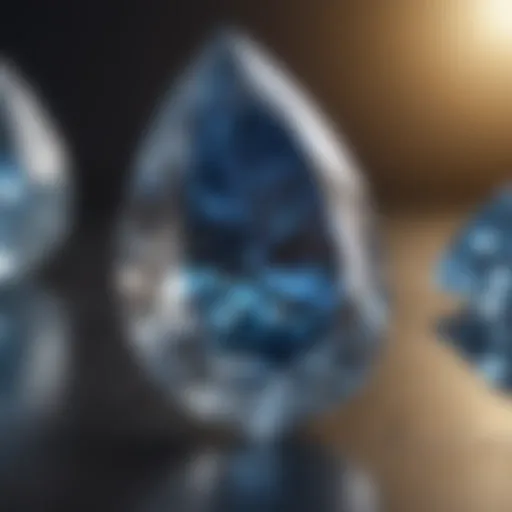
Diamonds can come in various colors, including clear, blue, pink, yellow, and even black. Their clarity levels range from flawless to included, impacting the light's reflection and the stone's brilliance. Grade systems like the GIA’s Four Cs—carat, cut, color, and clarity—allow consumers to evaluate and compare diamonds effectively.
Physical Properties
The physical properties of diamonds can be summarized as follows:
- Hardness: Diamonds score a ten on the Mohs scale, making them the hardest natural material known to humanity.
- Thermal Conductivity: They are excellent thermal conductors, which is partly the reason they are so durable.
- Optical Properties: Diamonds exhibit remarkable brilliance due to their high refractive index and dispersion of light. The way light interacts within a diamond is an essential consideration that affects how the carat weight is perceived.
In essence, a diamond’s beauty is not solely defined by its carat weight. The interaction of its cut and setting plays a significant role, influencing how light dances within the stone, creating that much-coveted sparkle.
"A diamond's true charm lies in its ability to reflect light, and understanding how that is influenced by carat size unlocks its fullest potential."
The Influence of Carat Weight
When it comes to carat weight, consumers often have an intuitive understanding that a larger diamond ought to be more appealing. However, the relationship between carat size and perceived size is multi-faceted. Factors such as cut quality, diamond shape, and even how the diamond is set can dramatically alter how large or small a stone appears.
To illustrate how various dimensions and settings can affect perceived size, consider the following:
- Cut Quality: A well-cut diamond will reflect more light and can appear larger than a poorly cut one of the same carat weight.
- Shape: A round diamond might appear smaller than a similarly weighted oval or pear-shaped diamond due to differences in surface area exposed.
- Setting: A diamond set in a high-profile setting can give the illusion of being larger than it actually is, while a low-profile setting may obscure some of its apparent size.
Understanding these nuances can help consumers make more informed decisions, ensuring they find the perfect diamond that suits their needs and preferences.
As we've seen, the world of diamonds is rich and complex, involving layers of understanding beyond mere numbers. The exploration of carat sizes entails a look into both the physical characteristics and the emotional significance these gemstones carry. Whether you're drawn to the allure of a large stone or captivated by the subtleties of a well-crafted piece, it's vital to remain informed and engaged throughout the purchasing process.
As we navigate through the various aspects of diamonds in the upcoming sections, stay tuned for practical tips and strategies that can empower you to make confident decisions when choosing your diamond.
For further reading on diamond grading, resources such as GIA can enhance your understanding of gemstones.
Understanding Carat Weight
When considering diamonds, carat weight isn't simply a number; it holds significance for both the valuation and the overall perceived beauty of the stone. Understanding this concept is paramount, not only for buyers but also for jewelry designers and gemstone collectors. This section will examine what carat weight truly means, how it contributes to a diamond’s value, and the frequent misunderstanding surrounding it.
Defining Carat
Carat as a unit measures the weight of the diamond. One carat is equivalent to 200 milligrams, which is about the weight of a pea. The term itself derives from the carob seeds that were once used as a standard measure in trade—carats have now been standardized, ensuring consistency across the industry.
A common misconception associated with carat is that larger diamonds are inherently more beautiful or valuable. This oversight can be misleading. While larger carat weights are indeed rarer and can command higher prices, beauty also lies in the cut, color, and clarity of the diamond. For instance, a 0.90-carat diamond can appear just as stunning as a one-carat diamond when cut skillfully.
The Role of Carat in Value
Carat weight plays a significant role in determining a diamond's price, but it is by no means the sole factor. The diamond market often employs a pricing strategy where smaller diamonds (ranging from 0.90 to 0.99 carats) might be priced substantially less per carat than their one-carat counterparts. This phenomenon occurs because the difference between diamonds in the lower weight classes can appear negligible, yet mark a significant price jump at the one-carat threshold.
Aside from weight, demand and availability influence price. Rare stones like colored diamonds, for instance, can fetch vastly higher figures per carat than clear diamonds due to their scarcity. It's a classic example of supply and demand, whereby the visible beauty of the stone and its rarity determine its worth in the market.
Common Misconceptions About Carat Size
Several misconceptions abound regarding diamond carats. One widespread myth is that a higher carat weight automatically translates into a more valuable or attractive diamond. Although it's an important factor, it's just part of the equation. A diamond's cut quality, for instance, dramatically effects how it reflects light, impacting brilliance and fire.
Another common notion is that diamonds must always be bought in whole carat weights. However, many jewelers offer half-carat and quarter-carat options, allowing consumers more flexibility with their budgets. This opens a door for purchasers to find their ideal stone without necessarily adhering to whole carat increments.


Finally, people sometimes overlook the significance of the setting. For instance, a smaller diamond set in a well-designed halo setting can appear larger than its carat weight suggests. This understanding is crucial for anyone in the market for diamond jewelry, as it highlights the importance of the entire presentation rather than focusing singularly on weight.
The value of a diamond is more than just the weight; it’s a meticulous interplay between cut, clarity, and carat size that weaves the complete picture of gemstone beauty.
In summary, carat weight is a fundamental aspect to consider during the diamond purchasing process. Understanding its implications can equip both seasoned collectors and enthusiastic first-time buyers with a more comprehensive perspective on what to look for when evaluating diamonds.
The Importance of Cut and Shape
In the discussion around diamond carat sizes, the elements of cut and shape play a pivotal role that extends well beyond mere aesthetics. While carat weight often takes center stage, the cut and shape of a diamond are crucial in determining its overall beauty and marketability. A diamond's cut refers to how well it has been shaped and faceted, which directly affects how light interacts with it, thereby influencing sparkle and brilliance. The shape, on the other hand, refers to the physical outline of the diamond, affecting its visual impact and how it sits within a given setting. Together, these characteristics shape a buyer's perception and emotional response to the stone.
From an investment standpoint, cut and shape can significantly influence the value of a diamond. A well-cut diamond will often command a higher price because it maximizes the stone's inherent qualities. Consumers are increasingly recognizing that beyond carat weight, the cut and shape can elevate the look of a diamond, making it appear larger and more captivating. Furthermore, the right combination of cut and shape can emphasize certain features within the diamond, drawing attention to its unique aspects, rather than letting it blend into a sea of similar-looking stones.
Notably, consumers often mistake size perception—thinking larger carats are always better—when in reality, how a diamond is cut can trick the eye into perceiving it as larger or more sparkling than its actual weight. Understanding this relationship between cut, shape, and perceived size can guide buyers toward more informed decisions, ensuring they select a diamond that truly meets their expectations both in beauty and value.
"The brilliance of a diamond is not just determined by its size but by how it has been cut to interact with light."
This emphasizes the necessity for buyers to consider factors that complement carat size, such as how cut affects appearance, the impact of popular shapes, and how perceptions of size vary by shape.
How Cut Affects Appearance
The cut of a diamond is arguably its most vital characteristic because it dictates how light travels through and reflects off the stone. A well-executed cut can amplify brilliance, fire, and scintillation, creating that sought-after sparkle that captures the eye. When light enters a diamond, it should bounce around in a precise manner; a poorly cut stone will not reflect light efficiently, making it appear dull.
The ideal cut for traditional round diamonds, known as the Brilliant cut, is designed specifically to maximize light refection. Other cuts, like the Princess or the Emerald cut, also have unique characteristics in terms of how they reflect light. Each cut has a distinct personality that can alter the perceived size of the diamond. For example, an oval-cut diamond can appear larger than a round one of the same carat weight due to its elongated shape. This highlights an interesting aspect: the interaction between cut quality and size perception is not straightforward—shapes like Asscher or cushion cuts can create a different set of aesthetic values that resonate with some buyers more than others.
Popular Shapes and Their Visual Impact
The diamond shape can significantly influence its appeal, as different shapes tend to attract different preferences among buyers.
- Round: The most popular shape, known for its brilliance and timeless elegance.
- Princess: Square-shaped and modern, exhibiting great sparkle and contemporary appeal.
- Cushion: A shape that combines vintage charm with contemporary allure, offering a romantic and soft look.
- Emerald: An elongated rectangular shape that emphasizes clarity over sparkle, boasting a sophisticated appearance.
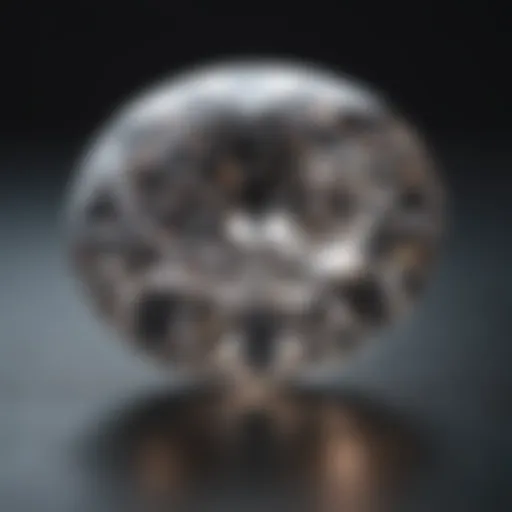
- Oval: Longer than a round diamond, creating the illusion of greater size and a distinctive look.
- Marquise: This shape elongates the diamond, maximizing its length and creating a dramatic profile.
Each shape has a visual impact that plays into personal preferences and cultural values. For example, in some traditions, the round shape is seen as classic and refined, while the emerald cut may appeal to those who appreciate geometric symmetry.
Comparative Size Perception by Shape
Ultimately, the perception of size varies not just by carat weight but considerably by the shape of the diamond itself. While a one-carat round diamond may appear different in size from a one-carat pear-shaped diamond, various factors contribute to how size is perceived. For instance, oval and marquise shapes may project a larger look due to their shapes, allowing them to appear bigger on the finger compared to their carat weight.
Understanding these attributes can be a game changer for buyers. The visual tricks that different shapes play can help consumers make better choices, ensuring they get the best value for their selections without solely focusing on carat weights. Consider not just the size but how the cut and shape contribute to the look and feel of the diamond you wish to purchase. The interplay between these attributes and personal taste stitches together the ultimate experience of selecting the perfect diamond.
Visual Comparison of Diamond Sizes
When it comes to understanding diamonds, a key element is how carat size actually translates into visible differences. Visual comparison of diamond sizes offers both buyers and enthusiasts insights into what to expect when purchasing a diamond. This segment focuses on how various weights look side by side and why that matters. It's not just about the number on the scale; it genuinely impacts purchasing decisions and satisfaction post-purchase.
The ability to see differences in diamond sizes visually assists in grasping how carat weight can be deceiving. Two diamonds with the same carat weight can appear remarkably different if they possess varying cuts, shapes, and settings. By conducting visual side-by-side comparisons, buyers can make decisions based on aesthetics rather than simply numerical values.
Side-by-Side Carat Comparisons
Side-by-side comparisons bring the concept of size from abstract to tangible, illustrating distinct differences in carat weight more effectively than numbers could ever convey. For instance, a one-carat round diamond often looks significantly larger than a similarly weighed princess-cut diamond. The visual proportions, combined with the setting style, substantially influence perceived size.
- Examples include:
- A 0.75 carat round diamond next to a 0.75 carat oval diamond may lead one to believe that the oval appears longer and bigger, even though they're of the same weight.
- When placed in the same setting, a 1.5 carat cushion cut can seem less impressive compared to a well-cut 1.25 carat marquise cut, due to the way light refracts through the gem.
These visual benchmarks help buyers appreciate the nuances of size perception, leading to informed decisions. Not only can this help when selecting a diamond for personal use, but it also serves as a useful tool for jewelers and designers when guiding clients.
Scaling Visual Differences
Scaling visual differences is about understanding the subtleties that arise when comparing different carat weights. It's a delicate dance between perception and reality. For example, a 0.5 carat diamond may appear smaller to someone who typically views larger stones, leading to misconceptions about size preference. Likewise, many first-time buyers might be surprised to learn that a 2-carat diamond doesn’t showcase a radically different appearance than a 1.75 carat stone.
Here are some factors to consider when scaling these visual differences:
- Clarity: Higher clarity gems catch the eye in a unique way, sometimes making them look larger than they are.
- Cut Quality: A well-cut diamond maximizes light reflection, which can create the illusion of size.
- Setting Style: Halo settings or three-stone designs can enhance perceived size for smaller stones, making them appear more significant than their carat weight suggests.
Remember: The scale of visual differences isn't merely about size but about how light interacts with the diamond and how those characteristics shape overall impressions.

By exploring visual comparisons in diamonds, consumers can better navigate the intricacies of carat sizes, blending personal preferences with objective findings.
Factors Influencing Perceived Size
When it comes to diamonds, carat weight is just one piece of the puzzle. It's easy to assume that a higher carat number means a visibly larger stone, but there's a bit more to it. In this section, we dive deeper into what actually influences how a diamond is perceived in terms of size. The interplay of multiple factors can significantly sway your perception, sometimes even making a smaller diamond appear larger, or vice versa.
Setting Styles and Their Impact
The style of a setting plays a vital role in how a diamond's size is perceived. A diamond’s environment can be just as impactful as its own measurements. For instance, a solitaire setting, which prominently features a single diamond, tends to create the illusion of a larger stone due to less distraction from the surrounding elements. On the other hand, a halo setting, where smaller stones encircle the main diamond, can enhance perceived size even if the center stone is modestly sized. Here are a few setting styles and their effects on visual size:
- Solitaire: Emphasizes the diamond, often making it appear larger.
- Halo: Creates a visual effect that can double the appearance of size.
- Three-Stone: Offers a balanced view that can make the center stone look bigger than it is.
- Pavé: Incorporates smaller diamonds along the band, creating a breathtaking sparkle that draws the eye.
The key takeaway here is that not all settings are created equal. Choosing the right style can enhance the diamond’s apparent size, making it crucial for anyone looking to maximize their investment.
Color and Clarity Considerations
Color and clarity are crucial factors that can significantly influence how a diamond is perceived. A diamond with better color and clarity can easily outshine larger stones that lack in these areas. For instance, a diamond rated as D color (colorless) along with IF (internally flawless) clarity may appear substantially more brilliant and engaging than a larger diamond that falls within the J or K color range and contains visible inclusions.
- Color: Diamonds closer to colorless will reflect light more effectively, enhancing the perceived size. Darker diamonds can sometimes look smaller due to the lack of brilliance.
- Clarity: Higher clarity means fewer flaws or inclusions, which allows more light to enter and reflects back, enhancing sparkle. A clean stone can appear larger than a larger, flawed diamond that dulls its brightness.
Understanding these elements is crucial, especially for those in the market for diamonds. It’s easy to focus solely on carat weight, but a clear and colorless diamond can give the impression of size that larger stones might not achieve if they compromise on these qualities.
"A diamond’s true beauty isn't just about size; it's about how well it plays with light and perception."
Thus, while one might find themselves drawn to that larger number on the scale, don't forget to consider how clarity and color can elevate a diamond’s visual impact in ways that sheer weight cannot.
Consumer Guidance on Selecting Diamonds
When embarking on the intricate journey of purchasing a diamond, it's vital to arm yourself with knowledge. The task goes beyond merely picking a shiny rock; it entails discerning the right stone that aligns with individual tastes and values. Understanding how to select the perfect diamond is not just beneficial but crucial for making informed decisions that will ultimately please both the eye and the wallet.
Assessing Personal Preferences
Personal taste plays an essential role in diamond selection. It's not just about size or price; it's about what resonates with you. Consider how you want the diamond to reflect your personality. For instance, some people might lean towards classic round cuts, while others might appreciate the sophistication of emerald or pear shapes. It can be beneficial to ask yourself a few questions:
- What styles do I gravitate towards? Are you more traditional or modern in your aesthetic?
- What settings catch my eye? A solitaire ring can make a statement, while a halo setting offers more sparkle.
- How do I feel about colors or inclusions? A diamond’s color and clarity can greatly impact personal appeal. Some people prefer the classic clear look, while others may find beauty in stones with a bit of character.
Having your preferences clear will significantly enhance the buying experience and minimize the risk of buyer’s remorse.
Setting a Budget and Value Expectations
Once personal preferences are established, the next step is about crunching numbers. Setting a budget is paramount to ensuring you don't stretch your finances too thin. However, understanding how diamonds are valued is just as important. Here are a few key aspects to consider:
- The 4 Cs: Carat, Cut, Color, and Clarity. These criteria contribute significantly to a diamond's value. While carat weight might be the most visible aspect, the other Cs influence how the stone presents itself.
- Research Price Trends: Diamonds can be perceived as significant investments. Familiarizing yourself with market trends can help in making wise purchases. Websites like GemPriceGuide.com provide valuable insights to gauge fair pricing.
- Flexibility on Size: If your heart inevitably pulls you towards larger carat weights, you might want to consider compromising on color or clarity. This way, you can strike that essential balance between size and quality without breaking the bank.
In today's world, countless resources are at your fingertips, armed with data and user experiences. Utilizing forums like Reddit can provide a plethora of information, plus personal anecdotes that you might find enlightening. Keep in mind that ultimately this stone represents a personal journey, symbolizing love, commitment, or even self-appreciation. Choosing wisely will make the experience all the more rewarding.
The Role of Certification
In the intricate world of diamonds, certification acts as a compass for buyers navigating their investment. It’s a detailed appraisal, evidencing the diamond's authenticity and quality based on stringent industry standards. The certification plays a crucial part in the buyer's decision-making process; it’s more than just a piece of paper, it’s a trust signal from reputable gemological laboratories. Without it, one could find themselves lost among countless options, each glimmering and beautiful but lacking in verified information.
Understanding Certification Standards
Diving into the nitty-gritty, certification standards vary across multiple labs globally, yet the notable ones like the Gemological Institute of America (GIA) or the International Gemological Institute (IGI) are often regarded as gold standards. Each certificate typically presents key factors, including carat weight, cut quality, color grade, and clarity. For example, GIA uses a numeric scale from 1 (worst) to 10 (best) for grading cut quality, which guides consumers into an informed purchase.
- Carat Weight: Indicates how heavy the diamond is. More weight often corresponds to higher value, but context is essential.
- Cut Quality: The diamond’s shape influences how light interacts with it. A well-cut diamond sparkles more, even if it’s a smaller carat.
- Color Grade: Ranges from D (colorless) to Z (light yellow), affecting the diamond's appearance and market value.
- Clarity Grade: Ranks the presence of inclusions or blemishes. Higher clarity means a cleaner appearance.
A diamond might dazzle the eyes, but the certificate sheds light on its true nature, protecting consumers from misinformation and inflated pricing.
Impact of Certification on Value and Trust
What’s in a number? Quite a bit, as it turns out. The presence of a reputable certification not only affects the perceived value of a diamond but also cultivates trust in the transaction. Sellers who offer certified diamonds can often command a premium price since buyers feel secure knowing they’re not being sold a pig in a poke. A well-regarded certification assures buyers that their gems have been evaluated by trained professionals using industry best practices.

"Having a certification for your diamond is like having a guardian angel on your shoulder; it watches out for your investment."
Furthermore, gems without certification can lead to skepticism. Buyers may question whether they’re getting a fair deal or if the diamond’s attributes are overstated. In markets like these, where the stakes are high, transparency is invaluable.
Market Trends in Diamond Sizes
Understanding the market trends in diamond sizes is crucial for anyone involved in the diamond industry or for prospective buyers. The preferences regarding diamond carats have altered over time, influenced by various factors such as economic conditions, design trends, and cultural perceptions. This section aims to highlight key insights into how current market dynamics shape consumer choices and what implications they have for jewelers and collectors.
Current Preferences Among Consumers
In today’s market, consumers are leaning towards diamonds that strike a balance between size and quality. While some may have envisioned large stones as the pinnacle of luxury, there's a noticeable shift in focus toward smaller, high-quality diamonds in unique designs. The increasing popularity of ethically sourced stones has also impacted consumer choices. People are becoming more conscious about the environmental and social effects of mining practices, thus opting for smaller carats that assure ethical sourcing.
- Quality over Quantity: Buyers today often prefer diamonds with higher clarity and better cut over larger stones that may have inclusions or poor proportions.
- Customization: Many prefer bespoke designs, allowing them to select diamonds that complement personal style rather than conform to traditional sizes.
- Value Retention: Consumers are becoming more aware that high-quality, smaller diamonds may retain value better over time compared to larger, lower-quality options.
These shifting consumer preferences highlight an evolving market that values quality, uniqueness, and sustainability.
Influence of Celebrity Trends
Celebrities have an undeniable impact on diamond trends. High-profile engagements and red carpet appearances often dictate what’s considered fashionable in the diamond world. For instance, when celebrities choose innovative cuts or unique carat sizes, these preferences quickly ripple through to the general public. The trend toward vintage and unique engagement rings, often stirred by celebrity choices, reflects a desire for individuality in a sea of traditional options.
- Influential Figures: From societal icons like Meghan Markle to movie stars like Blake Lively, their choices in diamond aesthetics shape public sentiments and purchasing behaviors.
- Social Media Impact: Platforms like Instagram and Pinterest play a pivotal role in influencing diamond selections. Consumers now catch glimpses of celebrity jewelry trends, causing a rise in searches for similar styles and sizes.
- Cultural Significance: Specific carat sizes and designs evolve as they align with cultural values, often showcased by celebrities during key life events.
The choices celebrities make in terms of diamond size and style can set trends that resonate deeply with fans, leading to wider acceptance and adaptation in consumer markets.
As we navigate these trends, it's evident that both consumer preferences and celebrity influences are reshaping the landscape of diamond sizes, emphasizing a blend of quality, ethical considerations, and personal expression. For those in the diamond trade, staying attuned to these trends is essential for meeting customer expectations and adapting to market demands.
Cultural Perspectives on Carat Size
Understanding how different cultures perceive carat sizes is essential for anyone involved in the diamond industry. Carat size holds varying significance across communities, influencing consumer behavior and even the diamond buying process itself. Breaking down these cultural perspectives provides valuable insights into preferences that go beyond mere numbers on a scale. Not only does this enhance the knowledge of gemstone enthusiasts and collectors, but it also leads jewelry designers to craft pieces that resonate with diverse audiences.
Symbolism and Carat Size Across Cultures
The symbolism attached to carat size can be strikingly different from one culture to another. In some societies, larger stones represent status and wealth, stirring a deep-seated belief that a bigger diamond signifies a more loving relationship. This evaluative view often stems from societal norms that equate size with affection. For instance, in many Western countries, individuals often aspire to well over one carat as a benchmark for engagement rings. Conversely, in cultures where modesty prevails, such as Japan, a preference for smaller yet more intricately crafted diamonds is common. Here, craftsmanship takes precedence over size, conveying the idea that quality can triumph over quantity.
Additionally, in certain African cultures, diamonds embody not just luxury but also heritage and personal history. They may be handed down through generations as family heirlooms, embodying the stories and legacies of those who possessed them. This fascinating dynamic showcases how each culture imbues carat sizes with diverse layers of meaning, vastly enriching global dialogues about gemstone ownership.
Gifting Practices and Size Expectations
Gifting practices surrounding diamonds often reflect cultural values and norms. In Western society, there exists a widely accepted tradition that a diamond should be the centerpiece of an engagement. The expectation is often fueled by traditions and advertisements that suggest one should aim for at least a one-carat diamond to ensure the ring is both memorable and 'talked about'. This pressure can lead to miscommunications between partners, especially if expectations regarding carat size are not openly discussed prior to selection.
From another angle, in some Middle Eastern cultures, larger stones are seen as a display of wealth and generosity, sometimes leading to lavish gifting practices that can extend beyond diamonds to include entire suites of jewelry. It becomes more of a communal affair where family opinions weigh heavily, often dictating the choice of carat size.
It's interesting to note how personal and cultural beliefs intertwine in the world of diamonds. Each diamond, regardless of size, can encapsulate a multitude of meanings, intentions, and expectations.
Ultimately, the diverse gifting practices around carat sizes reflect a broader cultural narrative that shapes how jewelry is valued and perceived in societies worldwide. Understanding these cultural nuances can lead to more informed and compassionate approaches when selecting and presenting diamonds, thereby elevating the overall experience of both the giver and the recipient.
Emerging Technologies in Diamond Sizing
Emerging technologies are revolutionizing the way diamonds are sized and evaluated, enhancing both accuracy and customer experience. As consumers become more discerning about their purchases, these advancements offer tools that facilitate informed decisions, ensuring buyers get what they truly desire. In a field where precision matters, new methods are stepping up to bridge the gap between perception and reality in diamond sizing.
Innovations in Measurement Tools
Modern advancements in measurement technology are noteworthy. For instance, laser measurement systems have emerged as game-changers in accurately determining a diamond's dimensions and weight. Unlike traditional methods, which can be influenced by human error, laser systems provide precise data that can be easily replicated.
One widely discussed tool is the digital caliper. It allows gemologists to measure stones with a level of precision that was once thought unimaginable. This results in more reliable grading practices across the board, which, in turn, affects both market value and buyer confidence.
Another notable innovation is the use of spectroscopy. Tools that analyze light interaction with diamonds can offer insights beyond simple measurements. By assessing how a diamond bounces light, buyers can gain a better understanding of a diamond’s quality based on its cut and clarity, helping them make informed choices.
"With advancement in technology, the tools of the diamond trade are not only more accurate but also offer a richer understanding of the stone's qualities."
3D Visualization and Consumer Experience
3D visualization technologies are altering the diamond buying experience dramatically. They allow potential buyers to see detailed images and even interactive models of diamonds—essentially bringing the gem to life in a virtual setting. One noteworthy implementation of this technology can be seen in platforms like James Allen, where customers can examine diamonds under varying light conditions, thereby understanding how a stone will look in real-life scenarios.
Moreover, augmented reality applications are surfacing, enabling consumers to visualize how a diamond will look when set in different styles of jewelry. This interactivity transforms static images into dynamic representations, leading to a more engaging shopping experience.
Consumers frequently report feeling more empowered when armed with such tools. Not only can they compare sizes effectively, but they also feel a deeper connection to the pieces they are considering. As such technologies continue to evolve, they stand to reshape the diamond-buying journey for users worldwide, making it more transparent and informative than ever before.
In summary, as the diamond industry embraces cutting-edge technologies, both buyers and sellers stand to benefit immensely. Innovations in measurement tools ensure greater accuracy, while 3D visualization technologies enhance consumer experiences, allowing for more informed decisions.