A Journey Through the World of Green Rocks
Intro
The allure of green rocks has captivated enthusiasts and curious minds alike for centuries. In a world where colors often influence our emotions and perceptions, shades of green resonate with life, growth, and rejuvenation. From the deep forests to lush meadows, these hues can evoke a sense of calm and tranquility. But beyond their beauty, green rocks tell a story of Earth’s dynamic processes and the diverse minerals that form them.
Understanding the spectrum of green rocks demands an exploration into various geological backgrounds, classifications, and their unique characteristics. This article sets out to highlight not just the variety of green rocks but also their significance in everyday life—whether in jewelry, holistic practices, or cultural stories. As we embark on this exploration, we’ll uncover the fascinating processes that shape these stones, revealing how they come to embody certain meanings and metaphysical attributes that many hold dear.
With key insights into the mineral composition and formation processes, alongside practical and esoteric uses, we aim to provide a comprehensive guide for all who wish to delve deeper into this vibrant world. Come along as we peel back the layers of green to unveil what lies beneath the surface.
Understanding Green Rocks
Green rocks, while often overlooked, play a significant role in both geology and gemology. These natural wonders encompass a wide range of minerals, each contributing to the complex tapestry of our planet's crust. Understanding them isn't just for enthusiasts; it's essential for anyone looking to appreciate the nuances of Earth’s geology or delve into the world of gemstones. The diverse spectrum of green rocks offers insights into geological processes, mineralogy, and even cultural influences associated with these stones.
Preamble to Green Rocks
Green rocks are typically formed from minerals that display a green hue, which can be attributed to a variety of factors including chemical composition, environmental conditions, and the specific geological processes at play during their formation. For instance, olivine, a common green mineral, gets its color from iron and magnesium, while jade derives its rich colors from the molecular structure of its minerals. These colors do not only beautify, but they also tell stories of volcanic activity, metamorphic changes, and sedimentary processes throughout history.
The appeal of green rocks goes beyond mere aesthetics; they are also a window into the Earth itself. By studying these gems, geologists can glean insights about the conditions under which they formed, suggesting the hotter, deeper regions of the Earth. Furthermore, understanding the classification of these stones aids in the identification of their origins and potential uses in various fields.
Significance in Gemology
In the world of gemology, green rocks hold a special place. They are not just beautiful adornments; their unique properties make them highly desirable for jewelry makers and collectors alike. Gems such as emerald and peridot are prized not only for their color but for the hardness and durability they exhibit, necessary traits for any stone meant to withstand the test of time.
The significance of these stones in gemology extends into their market value and investment potential. For collectors, understanding the grading of gems, including aspects like clarity, cut, carat weight, and color, is key. Each green gemstone carries its own market demand driven by scarcity, cultural significance, and historical precedent.
"The allure of green stones goes beyond simple color; it’s also about the story they tell and the connections they forge through history, culture, and human experience."
Additionally, the metaphysical properties often associated with green rocks—such as healing advantages and spiritual symbolism—add another layer of intrigue. Traders and consumers alike are often drawn to the belief that these stones might enhance well-being or promote positive energy.
In essence, understanding green rocks is crucial for appreciating their role in both the natural world and human culture. As this exploration continues, it reveals not just the physical attributes of these stones, but their deeper meanings and values, contributing to both personal connections and wider cultural narratives.
Classification of Green Rocks
The classification of green rocks serves as a foundational framework for understanding the extraordinary variation in this vibrant category. By organizing these stones into categories based on specific characteristics, enthusiasts and researchers alike can appreciate the nuances that make each type distinct. Such classification not only assists in identification but also impacts how these rocks are utilized in various fields, from jewelry making to industrial applications. More than mere categorization, understanding the classification of green rocks encourages a deeper respect for their geological formations and the story they tell.
Mineral-Based Classification
Mineral-based classification focuses on the specific minerals that compose green rocks. The unique mineral structures within these rocks profoundly influence their aesthetics and physical properties. For instance, olivine, known for its rich olive-green hue, is a silicate mineral that often forms in volcanic rock. In contrast, serpentine, another green rock, may owe its color to iron compounds within its chrysotile or antigorite structures.
Some noteworthy examples include:
- Olivine: This mineral is prevalent in mafic and ultramafic rocks, often displaying a striking lime or olive green color. It's a favorable choice for collectors due to its rarity in jewelry settings.
- Jade: Found primarily in two forms, jadeite and nephrite, jade’s green spectrum ranges from a soft celery hue to intense forest green. Its appeal is steeped in cultural significance as well as its enduring beauty.
- Peridot: Another mineral that captures attention, peridot can range from yellowish-green to a vibrant, lime green, often used to create exquisite jewelry pieces.
Understanding these minerals not only sheds light on their individual characteristics but also reveals insight into the broader classifications of green rocks and their various uses.
Geological Origins
The geological origins of green rocks are also a critical aspect of their classification. The processes that form these rocks, from sedimentary layers accumulating over millennia to metamorphic reactions to pressure and temperature, contribute greatly to their properties.
- Igneous Origins: Rocks formed from the cooling and solidification of magma can exhibit vibrant greens, such as in the case of green granite, which contains minerals like olivine and biotite.
- Metamorphic Processes: Some green rocks, like serpentine, originate from the alteration of ultramafic rocks under conditions of intense heat and pressure. The resulting transformations create visually distinct textures and colors.
- Sedimentary Sources: Lastly, rocks like malachite arise from the weathering of other mineral sources, which become concentrated in specific environments, usually involving copper deposits.
The geological origins provide invaluable context, further illuminating how environmental conditions, mineral availability, and geological processes contribute to the diverse spectrum of green rocks. Understanding these dynamics enriches the appreciation for both the scientific study and the cultural significance of these remarkable stones.
Common Types of Green Rocks
In the realm of geology and gemology, green rocks stand out not only for their captivating hues but also for their diverse mineral compositions. This section sheds light on the different types of green rocks, providing insight into their unique characteristics and contextual importance in both natural formations and human artifacts.
The common types of green rocks can be categorized based on their mineral content and the geological processes that formed them. Understanding these types provides enthusiasts and collectors with a deeper appreciation of each rock’s individual charm and utility in various applications, particularly in jewelry making and cultural significance.
Olive Green Rocks
Olivine
Olivine presents itself as a striking example of olive green rock, known for its unique crystal structure and high magnesium content. This mineral is significant due to its role in the formation of the Earth’s mantle and certain igneous rocks. One of the key characteristics of olivine is its resilience against weathering, making it a long-lasting choice for jewelry. Its olive green color exudes an earthy elegance, captivating those who encounter it.


What sets olivine apart is its distinct crystal form, often resembling that of a gemstone when polished. However, it does have its disadvantages; it’s relatively rare in gem-quality form, and when present in larger quantities, it can be somewhat brittle. Investors and collectors appreciate its beauty but must consider these aspects if they look to incorporate it into designs or collections.
Serpentine
Serpentine rocks, with their mesmerizing shades of green and unique buttery texture, offer another dimension to olive green rocks. They are often used in carving and as ornamental stones, praised for their softness which facilitates intricate designs. Serpentine is significant in the context of metamorphic processes, where it often forms through the alteration of ultramafic rocks like peridotite.
The defining characteristic of serpentine is its silky luster, which almost glows under the right lighting. However, it can be less durable than other stones, making it crucial for designers to handle it with care. Its unique aesthetics and importance in geological studies make serpentine a favorable choice for both artistic and educational purposes.
Forest Green Rocks
Jade
Jade is synonymous with beauty and intricacy, often lauded in various cultures for its spiritual significance and versatility. It exists in multiple colors but finds a special place in the hearts of many for its rich forest green hues. The toughness of jade not only makes it a popular choice for carving intricate designs but also leads to its historical relevance across many civilizations.
One key aspect of jade is its dual composition: nephrite and jadeite, each contributing to its unique market value. The glassy texture and vibrant green color make it eye-catching. However, authentic jade can be quite pricey and has a limited market supply, which could be a disadvantage for budget-conscious collectors.
Malachite
Malachite offers a stunning visual spectacle with its deep green color and distinctive banding, often resembling the veins of nature itself. It forms from the oxidation of copper, often appearing alongside copper ores. What makes malachite particularly alluring is its ability to be polished into mesmerizing beads and cabochons, making it a favorite among jewelry designers.
A unique feature of malachite is its ease of carving, which lends itself well to detailed designs. However, it should be noted that malachite's softness makes it susceptible to scratching, meaning careful care is necessary to maintain its striking appearance over time.
Light Green Rocks
Peridot
Peridot is the gemstone form of olivine and often reflects a vibrant light green color that dazzles onlookers. This stone is particularly esteemed for its historical significance and is frequently associated with light, brightness, and purification. The transparency and brilliance of peridot elevate its desirability amongst gemstone enthusiasts and collectors.
While peridot shines in its appeal, it is relatively abundant compared to other gemstones, making it accessible. Yet, caution is needed; it has a higher vulnerability to scratches, which could deter some from opting for it in daily wear jewelry.
Chrysoprase
Chrysoprase, noted for its translucent light green color, is a chalcedony gemstone that captivates with its subtle elegance. Often confused with more vibrant green gemstones, its delicate tones speak to a sense of tranquility. This rock's unique color arises from the presence of nickel, which makes it stand out from other green stones.
One of chrysoprase's primary advantages lies in its rarity in the marketplace, which peaks the interest of jewelers and collectors. However, it's worth noting that its limited supply often commands a higher price, a consideration for those looking to incorporate it into collections.
Dark Green Rocks
Green Tourmaline
Green tourmaline is celebrated for its diverse shades that range from deep forest green to lighter tones. This variety comes from its complex crystal structure and the presence of different trace elements. It is appreciated for its durability and versatility, commonly used in fine jewelry.
Its key characteristic lies in its exceptional luster and brilliance which make it highly sought after. An important note about green tourmaline is that while it is a robust stone, it can be pricier due to its varying qualities and market demand. Collectors find themselves drawn to its beauty, even with price considerations.
Chrysocolla
Chrysocolla’s characteristic dark green hues, often mixed with bluish shades, draw attention. Not only is it a beautification stone, but it also serves educational and artistic purposes. This mineral often forms in copper deposits, giving it a unique place in both geology and the jewelry world.
The stunning color combination provides it with a unique aesthetic appeal. However, one must note its relative softness which makes it less suitable for everyday wear; thus, keeping its charm comes down to diligent care and storage.
Rare Green Rocks
Fuchsite
Fuchsite, often referred to as the "glimmering stone," stands out due to its glittery appearance caused by the presence of chromium. This mineral is significant to those who appreciate unique and rare stones. Often included in decorative specimens, fuchsite provides aesthetic value while also serving as an intriguing topic of discussion for geology enthusiasts.
A key characteristic of fuchsite is its shiny flecks, which can captivate just about anyone who lays eyes on it. However, its rarity might require enthusiasts to dig a little deeper when looking to acquire specimens, possibly pushing the limits of their budgets.
Tsavorite
Tsavorite garnet is celebrated for its vivid green and impressive stone quality, but it is one of the rarest green stones. Its unique properties arise from the trace elements, making it a topic of interest for both gemologists and collectors. Tsavorite’s allure lies in its brilliance and color saturation, making it a top choice for high-quality jewelry.
However, the rarity and demand can lead to an increase in its price, deterring some from considering it as an option. Thus, while it holds an esteemed place in the gemstone world, accessibility is certainly a concern for potential buyers.
Geological Processes Leading to Green Rocks
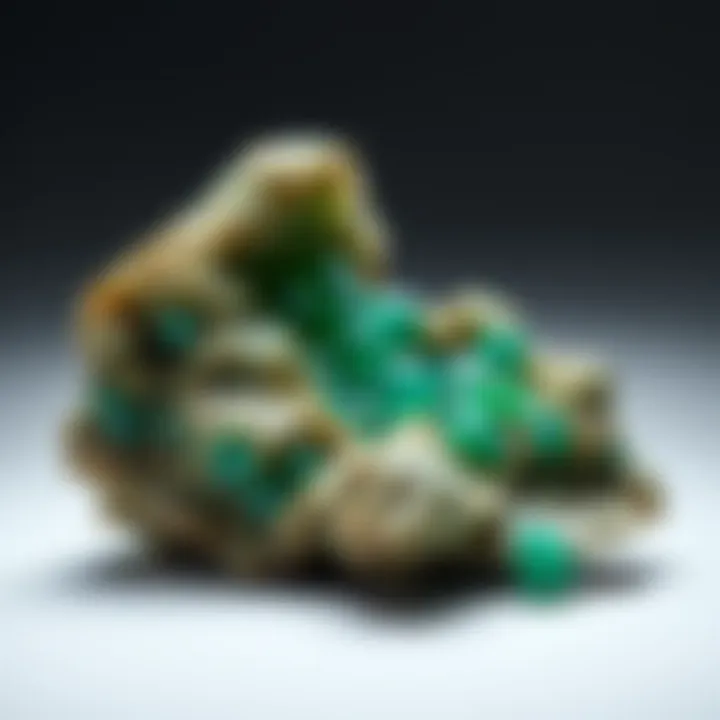
Understanding how green rocks form is essential for appreciating their diversity and significance in our world. The geological processes that lead to the creation of these stones are as varied as the rocks themselves. This exploration connects the dots between mineral composition and the earth's dynamic systems, highlighting how unique conditions influence the formation of diverse types of green rocks.
Formation Mechanisms of Olivine
Olivine is one of the main players in the group of green rocks, and its formation has much to do with the Earth's mantle processes. Typically, olivine crystallizes from magma originating deep within the planet, often in volcanic environments. As molten rock cools, olivine forms in high-temperature conditions, resulting in its rich green shades.
- Location: You’ll often find olivine in mafic and ultramafic rocks, such as basalt or peridotite.
- Visual Traits: Its glassy luster and varying tint from yellowish-green to dark olive make olivine a standout.
A striking feature of olivine is its high density, which contributes to its role in understanding geological formations and plate tectonics. The presence of olivine in rock samples can suggest that those samples originated from areas with intense volcanic activity or deep mantle processes.
Metamorphic Processes of Serpentine
Serpentine rocks have a fascinating story to tell as they are formed through the metamorphism of ultramafic rocks like peridotite. The primary mineral, chrysotile, is a key component and is usually characterized by its fibrous nature. One of the most critical processes in serpentine formation is hydration, where water plays a significant role in altering rock chemistry and structure.
- Transformation: During metamorphism, minerals in the ultramafic rock undergo chemical changes under specific temperature and pressure conditions, leading to the formation of serpentine.
- Environmental Impact: Areas of serpentinite, enriched in magnesium and deficient in silica, often harbor unique ecosystems, which further enhances their geological importance.
Serpentine showcases green hues ranging from bright to dark. Its distinctive formation conditions contribute not just to its appearance but also to its properties, making it vital for question of geological history and its implications on mineral distribution.
Sedimentary Origins of Malachite
Malachite emerges through a riveting process that starts with the weathering of copper-bearing minerals, typically in a rich, copper-laden environment. Over time, as copper oxidizes, malachite is born, often forming lush deposits along labyrinthine paths of water and sediment.
- Formation Environment: Malachite typically forms in oxidizing environments like limestone caves or arid regions, where adequate moisture and minerals are present for its growth.
- Coloration: Its vibrant green colors and banding are a direct result of its sedimentary process.
Malachite does not only adorn jewelry; it offers insight into geological processes. It serves as a unique indicator of past water conditions and can signify the potential for other associated copper minerals nearby. Understanding its sedimentary origins also informs mining prospects and geological mapping.
Malachite beautifully showcases how geological processes do not merely create rocks but forge connections to environmental history, making every piece of malachite a visual narrative of the earth’s story.
In summary, the geological processes leading to the formation of green rocks reveal a tapestry of interactions between elements, conditions, and time. Each rock type—be it olivine, serpentine, or malachite—unfolds intricate patterns that echo the earth’s history, adding depth to our understanding and appreciation for these vibrant gems.
Applications of Green Rocks
Green rocks are not merely fascinating artifacts of nature; they are multifaceted gems with a plethora of applications that span across various domains. Their significance goes beyond aesthetics, finding their footing in jewelry making, industrial applications, and cultural manifestations. In this section, we will explore the importance of green rocks, shedding light on how they are utilized and their intrinsic value to society.
Jewelry Making
The world of jewelry making finds a vibrant palette in the rich hues of green rocks. Each stone tells a story and brings a unique flair to any piece. For instance, jade has long been revered in many cultures, not just for its beauty but for its tough nature. Crafting from jade means creating pieces that last a lifetime and often are seen as heirlooms passed down through generations.
Emerald, another green gem, carries much weight in the jewelry sector. Its deep, lustrous green is often associated with vision and growth, making it a favorite for engagement rings and special occasion pieces. In contrast, peridot’s lighter, more refreshing green garners attention for its bright appeal, often giving a fun twist to casual wear.
When selecting green gemstones for jewelry, crafters must consider durability, the stone's inherent properties, and how well the gem's character aligns with the design intent. These considerations lead to unique and bespoke jewelry items that cater to diverse tastes.
Industrial Uses
Beyond aesthetics, green rocks have significant industrial applications. For instance, olivine, a common green mineral, finds utility in the metallurgical industry. It serves as a refractory material, able to withstand really high temperatures without melting or deforming. Its unique composition makes it ideal for use in steel making, where it helps in the removal of impurities and enhances the overall quality of the final product.
Moreover, serpentine is another green rock utilized in the industry, primarily for its asbestos content. Though the health risks associated with asbestos have curbed its use in some applications, serpentine is still employed in producing tiles, insulation materials, and even as a filler in plastics.
Keeing in mind ecological sustainability is crucial when opting for industrial usage of natural stones. The extraction processes can have significant environmental impacts, hence why many industries are now leaning towards more sustainable practices and alternatives.
Cultural Significance
Green rocks are steeped in cultural heritage and symbolism across the globe. In many societies, jade is considered more than just a gemstone; it is a symbol of purity and tranquility. Some cultures believe that jade can channel healing properties, embodying the human connection to nature. It’s often seen in rituals and ceremonies, highlighting its cultural weight.
Malachite, on the other hand, holds a different narrative. This vivid green stone is a hallmark of transformation. Historically, it was used to ward off negativity and is often used in talismans. Collectors and fans often seek out malachite not just for its beauty, but for its rich lore and supposed protective qualities.
"Green rocks hold unique meanings and cultural narratives that transcend their physical presence, often acting as a conduit for historical stories and entrenched beliefs."
Overall, the applications of green rocks extend far beyond simple decoration. They enrich our cultural practices, drive established industries, and provide a canvas for creativity in jewelry making. Their multifaceted roles reflect a blend of artistry, industrial innovation, and a deep connection to human culture.
Metaphysical Properties of Green Rocks
In the realm of gemstones and minerals, the metaphysical properties of green rocks hold significant intrigue. These stones are often thought to embody vibrant energies that can influence not just the physical realm but also the mind and spirit. For enthusiasts and practitioners alike, understanding these properties can enhance the appreciation of these beautiful natural creations.


Healing Benefits
Green rocks are widely believed to possess healing attributes, known to facilitate rejuvenation and balance. A key characteristic attributed to many green stones is their connection to the heart chakra, which is central to emotional well-being. This connection fosters compassion and harmony, aiding individuals in nurturing relationships with others.
For example, jade is commonly linked to physical healing processes. Its proponents claim that jade helps to detoxify the body and support the kidneys; it is regarded as a talisman for good luck and prosperity. Similarly, malachite is thought to absorb negative energies and pollutants, offering not only a protective aura but also catalyzing emotional change and growth.
Another stone worth mentioning is green tourmaline. This mineral is revered for its alleged ability to promote relaxation and protect against negativity, allowing a gentle flow of energy within the body. Many users report feeling more settled and resilient when they keep this stone close.
When considering these claims, it’s essential to approach them with an open mind yet a critical eye. While anecdotal evidence supports many of these healing benefits, scientific backing remains limited. Nonetheless, the comfort and peace that these stones reportedly bring often encourage individuals to explore their effects more deeply.
Symbolism and Spirituality
The green color itself is rich in symbolism, universally representing life, fertility, and renewal. In many cultures, green stones embrace the idea of growth and harmony, making them popular choices in spiritual practices. They are often used in meditation to anchor the practitioner in feelings of contentment, gratitude, and balance.
Jade, for instance, holds profound significance in various cultures. In Chinese traditions, it symbolizes purity and moral integrity, often being referred to as the "Stone of Heaven". As a result, jade is not only valued for its beauty but also for its spiritual connotations.
Another notable example is the use of green crystals in shamanistic practices, where they are considered tools for protection and healing. Practitioners often invoke the energy of these stones during rituals to promote a higher state of consciousness and spiritual clarity.
While individual experiences and interpretations can vary, the overarching themes tied to green rocks tend to orbit around healing, vitality, and emotional stability. Their profound connection to nature makes them particularly appealing for those seeking a grounding influence in today’s fast-paced world.
"Gemstones have a language of their own; their shapes, colors, and sizes convey messages that resonate deeply within us."
The exploration of the metaphysical properties of green rocks not only deepens our understanding of these minerals but also invites a personalized journey into the innate energy that surrounds us. As both collectors and casual users interact with these stones, the benefits they derive will invariably reflect their unique intentions and beliefs.
In sum, whether one is a believer in their metaphysical properties or simply an admirer of their beauty, green rocks undeniably enrich our lives, infusing them with meaning and a sense of connection to the earth.
Caring for Green Rocks
Caring for green rocks is not just about keeping them pristine; it’s about preserving the essence and vibrancy that makes these stones captivating. Proper care and maintenance ensure that the unique characteristics of each rock are retained over time, allowing collectors and jewelry designers to appreciate their beauty to the fullest. With diverse terms like vibrancy, clarity, and durability in discussion, a little attention can lead to much greater satisfaction and appreciation for these geological wonders.
In the realm of gemology, green rocks can significantly vary in their mineral composition and formation origins. This variance means that what works for one type may not be suitable for another. Understanding the nuances involved in their care is crucial for enthusiasts, as it provides insight into their longevity and maintenance needs.
Cleaning Techniques
To keep green rocks gleaming, appropriate cleaning techniques are essential. While many might think soap and water suffice, the reality is that some minerals are sensitive to even mild detergents. The first step is identifying the specific type of green rock you possess. Here are some widely accepted cleaning methods for various green stones:
- Water Rinse: A simple rinse under lukewarm water often works wonders for sturdier stones like Jade or Malachite. Avoid soaking them, as this can sometimes lead to weakening or fading.
- Soft Brush: For rocks with more intricate carvings or imperfections, a soft-bristled brush can be employed. This method is particularly effective for cleaning Chrysoprase without damaging its surface.
- Vinegar Mix: A diluted vinegar solution can help address grime build-up on greener stones but should be used cautiously. It’s best to test this on a small and inconspicuous area if you’re unsure.
"Regular, gentle cleaning can help preserve the stunning allure of green rocks while ensuring their integrity."
- Commercial Cleaners: There are mineral-specific cleaners available on the market. Ensure to choose one that is designed for the particular mineral type before use, as the wrong formula could potentially cause harm.
Storage Recommendations
Storing your green rocks properly is just as vital as cleaning them. Environment plays a crucial role in their preservation, and some simple guidelines can help shield them from damage:
- Temperature Control: Aim to keep your rocks in a cool environment, ideally between 60°F to 75°F. Rapid temperature fluctuations can lead to structural issues.
- Humidity Levels: Keep humidity in check as well. A relative humidity of around 40-50% is optimal. Excess moisture can lead to mold on more porous stones like Malachite.
- Avoid Direct Sunlight: Prolonged exposure to sunlight can fade the color in some green rocks significantly. Storing them in a dark or shaded space helps maintain their rich hue.
- Material Considerations: Use cloth or padded boxes to store your rocks, which can help guard against scratches caused by harder minerals. For added protection, consider using compartmentalized jewelry boxes or soft pouches.
- Display Wisely: If displaying your rocks, opt for UV-resistant glass cases that limit direct exposure to sunlight while showcasing their beauty.
Ending
The conclusion is a vital segment of the discussion surrounding green rocks, encapsulating all the knowledge and insights that have been explored in this article. It serves not just to summarize key points but also to reinforce the significance of these unique gemstones within both geological and cultural contexts.
Summarizing the Diversity of Green Rocks
From olive green hues to deeper shades, green rocks present a vivid spectrum that reflects Earth's dynamic processes. Each type, from olivine and serpentine to rarer finds like fuchsite and tsavorite, provides a window into both the mineralogical makeup and the Earth’s history. The diversity among these stones isn’t merely aesthetic; it highlights their different formation environments and geological histories.
When assessing their relevance across various fields, whether in jewelry design or modern metaphysics, one sees that green rocks aren't just products of nature but also artifacts of cultural history and personal beliefs. Their presence in ancient civilizations and contemporary jewelry illustrates their lasting appeal and importance.
Moreover, the fascination with green rocks extends their use beyond decorative purposes. They inspire geological studies, mineralogy exploration, and even holistic practices. By comprehending this diversity, enthusiasts can appreciate not only the beauty but the narratives each stone carries.
Future Exploration and Research
As technology evolves, so too does our ability to delve deeper into the world of green rocks. Research in geology continues to evolve, leading to new discoveries about the origins and formation of these gems. Understanding the unique conditions that contribute to the development of each green stone can lead to breakthroughs in fields like sustainable mining and material sciences.
Moreover, as interest in metaphysical properties and holistic healing grows, areas of exploration can expand significantly. Theories surrounding the energetic properties of stones are gaining traction and warrant further academic inquiry. Future studies may explore the efficacy of these stones in promoting well-being or their roles in cultural symbolism across diverse societies.
"To understand rocks is to understand the Earth; they hold the stories of our planet's past and promise of its future."
The dialogue surrounding green rocks—covering their geological significance, practical applications, and potential benefits—demonstrates an ongoing narrative that invites continued exploration. For gemologists, collectors, and enthusiasts alike, there remains a wealth of knowledge waiting to be uncovered in the stunning variety of green rocks that our world offers.
By synthesizing these elements, we can appreciate a deeper connection not just to these rocks but to the Earth itself.