October 11th Birthstone: Significance and Selection Tips
Intro
When one thinks about the month of October, a myriad of images might come to mind: falling leaves, the scent of pumpkin spice, and vibrant autumn colors. Yet, beneath these seasonal changes lies an often-overlooked aspect: the birthstone associated with those born on October 11th. This gemstone, with its beautiful hues and various attributes, provides not only aesthetic pleasure but also deep historical and metaphysical significance. Understanding this stone can offer insights into its unique qualities, making it fascinating for both collectors and casual enthusiasts alike.
Gemstone Overview
Description of the gemstone
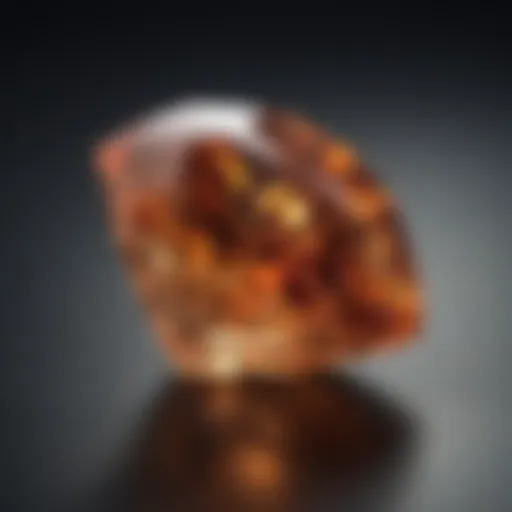
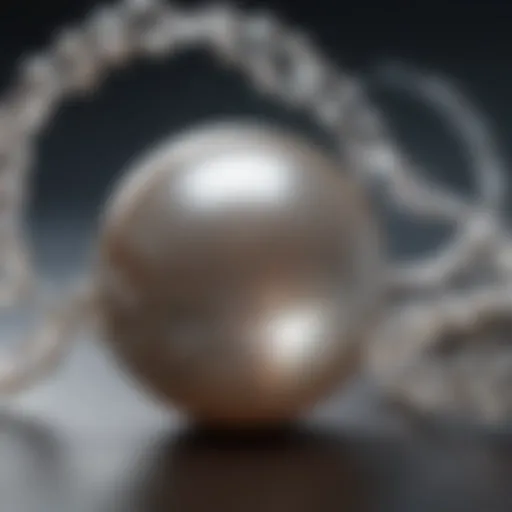
The primary birthstone for those born on October 11th is opal, a gem renowned for its kaleidoscopic array of colors that dance across its surface. With origins dating back centuries, this gemstone has captured the imagination of cultures worldwide. Opal is often dubbed as the ‘queen of gems’ due to its spectacular play of color, which can manifest in flashes of blue, green, yellow, orange, and red. The stone can be transparent, translucent, or opaque, each variation possessing its own charm and appeal.
Physical properties
From a scientific standpoint, opal consists mainly of silica and water, which contributes to its distinct internal structure. Some key physical properties include:
- Chemical Composition: SiO2·nO (silicon dioxide and water)
- Hardness on Mohs Scale: 5.5 to 6.5, making it relatively soft compared to other gemstones.
- Specific Gravity: Ranges from 1.98 to 2.25, depending on its composition.
- Light Properties: Opal exhibits opalescence, meaning that its colors change with the angle of light.
These properties not only enhance its beauty but also make it a popular choice for various jewelry items, from rings to necklaces.
Healing Properties
Metaphysical attributes
Historically, opal has been linked to numerous metaphysical properties. It is often believed to enhance creativity, encourage spontaneity, and help individuals find their true self. For those born on October 11th, it may also resonate with their personality traits, encouraging emotional healing and boosting self-confidence.
“Opal is not just a jewel; it is a whisper of the universe, connecting the wearer to personal dreams.”
Common uses in holistic practices
In many holistic practices, opal has found its place as a healing stone. People use it for:
- Meditation: Assists in connecting with spiritual energies.
- Emotional Healing: Supports the release of negative emotions and enhances emotional stability.
- Manifestation: Aids in manifesting personal goals and desires.
Its beautiful play of colors is not only enchanting but also a reminder of the vast possibilities life has to offer.
The End
Understanding the birthstone for October 11th, especially opal, reveals more than just its physical attributes; it opens a window into its rich history and the potential benefits it offers. For gemstone enthusiasts and collectors, appreciating opal extends beyond its visual appeal; it becomes a journey into its metaphysical realm and historical significance. As the leaves turn and the air grows crisp, take a moment to reflect on the meanings behind this beautiful gem and how it can enrich your life or the life of someone born on this day.
For further reading
Prelude to Birthstones
Birthstones serve as a timeless tradition and connection to one's birth month, offering unique significance and beauty. They are not merely ornamental; these gems embody history, emotion, and personal resonance. Understanding the importance of birthstones is crucial for anyone seeking deeper insight into their craftsmanship, symbolism, and metaphysical properties.
In this exploration, we delve into the various aspects of October's birthstones, but first, it’s vital to grasp what birthstones represent in broader terms. These stones have historically been associated with astrological traditions and spiritual beliefs. They are considered to provide certain benefits or powers to wearers, believed to enhance personal characteristics or bring good fortune.
Learning about these precious stones opens up a world of understanding for gemstone enthusiasts, collectors, and jewelry designers alike. Knowing their definition, purpose, and rich historical context adds layers to their significance. As we unfold the facets of October’s birthstones, this foundation will illuminate their importance and connection to personal identity.
Definition and Purpose
A birthstone is defined as a gemstone that is associated with a person's month of birth. The practice of using gemstones as a symbol of specific months dates back to ancient civilizations, where stones were imbued with particular meanings and attributes. Each birthstone holds distinct properties and benefits, catering to the different energies associated with each month. This connection is not just sentimental; many believe that wearing one's birthstone can enhance individual strengths and attributes.
The purpose of wearing a birthstone goes beyond aesthetics. It conveys personal significance and connection with one’s identity and cultural heritage. For many, these stones are cherished for their beauty, while others see them as protective talismans or sources of inspiration. The significance attributed to each stone can often encourage a deeper connection between the wearer and their birth month.
Historical Context
The use of birthstones can be traced back to ancient traditions, notably among the ancients in Israel, who created a breastplate known as the effod adorned with twelve stones, representing the twelve tribes of Israel. This led to the association of specific gemstones with astrological signs and months.
As history marched forward, various cultures adopted and adapted these stones. The Romans, for instance, had their own interpretations, believing that certain gemstones held particular powers or blessings relating to their deities. In fact, the connection between birthstones and astrological influences morphed, enriching cultural lore throughout time.
Additionally, in the Middle Ages, it became fashionable to wear gemstones believed to confer healing properties, making birthstones integral to both jewelry and medicinal practices. These historical roots weave through time, culminating in a broader appreciation today for birthstones as more than mere decorations, but as vessels of deeper meanings and connections to our past.
"Each birthstone carries with it stories of tradition, values, and a window into our history, reflecting who we are and where we come from."
As we journey through the narrative of October's birthstone, reflect upon how these historical contexts and definitions shape our understanding of the octobers gems and their significance in both past and present.
Birthstone for October: Overview
The essence of a birthstone often transcends its physical beauty, embodying emotions, history, and even identity. Understanding the birthstone for October can add a layer of significance to both personal choices and the gifts we share with others. The month of October is not a one-size-fits-all affair; it offers a deeper look into the qualities of its primary birthstone and its alternative.
Primary Birthstone for October
October is mainly represented by the opal, a gem celebrated for its captivating play-of-color. This stone isn’t just a pretty face; its shifting hues can evoke a plethora of emotions all on their own, much like the autumn leaves that fall around the time of its birth.
The opal is formed from a gel-like silica that slowly fills cavities in rock, resulting in a mineral that captures light and transforms it into vibrant colors. It’s no wonder that this gemstone has been linked to both creativity and inspiration throughout the ages. Ancient civilizations, like the Romans, held the opal in high regard, believing it to embody the virtues of all precious stones, symbolizing hope and purity. Today, many people seek out opals not just for their aesthetic appeal, but also for the unique energies they’re thought to bring.
The opal comes in various forms, with the most famous being the white opal known for its iridescent layers. Some individuals believe that this gem possesses healing properties, particularly in balancing emotions. Therefore, wearing an opal can resonate with someone’s personal journey, enhancing self-expression and emotional stability. Here’s a simple breakdown of why the opal is October’s primary choice:
- Diverse Colors: Ranging from milky whites to fiery reds, each opal tells its own story.
- Cultural Significance: Rich history in ancient cultures, particularly in mythology and belief systems.
- Emotional Resonance: Linked to creativity, balance, and self-expression.
Alternative Birthstones
While opal shines bright as the main gem of October, tourmaline serves as a delightful alternative. This colorful polycrystalline borate mineral occurs in every hue imaginable, from vibrant greens to deep pinks and even shimmering blues. Each color of tourmaline is believed to carry its own metaphysical properties.
Tourmaline is particularly noteworthy for its purported protective qualities. Many believe that it helps to deflect negative energy, making it a popular choice for those interested in crystal healing. When you pick up a piece of tourmaline, you might feel a warmth or a sense of grounding that connects you to the earth.
Here’s what makes tourmaline a standout selection:
- Color Varieties: Each shade has its unique energy, making it a versatile choice for health and balance.
- Grounding Energy: Known for helping individuals ground their thoughts and emotions.
- Healing Attributes: Often associated with physical and emotional benefits, fostering a sense of well-being.
In summary, the birthstone for October isn’t a mere accessory; it is a symbol steeped in history and personal significance. Whether you gravitate toward the mesmerizing opal or the vibrant tones of tourmaline, each choice speaks to a connection that goes far beyond aesthetics. These stones invite us to explore their characteristics and harness their energy in our daily lives.
The Opal: October’s Main Birthstone
The opal stands as the primary birthstone for those born in October, holding a special place in the hearts of gemstone enthusiasts and collectors alike. Its unique shimmer and kaleidoscopic colors set it apart in the gemstone world. But beyond its visual appeal, the opal is steeped in history and symbolism, making it a compelling subject for exploration in this article. It’s known for its ability to stir emotions and provoke thought, creating a strong connection between the wearer and the stone. The multifaceted nature of opal, both in appearance and in cultural significance, marks it as not just a beautiful gem but an object of fascination and reverence.
Formation and Characteristics
Opals are formed through a fascinating natural process. Essentially, they originate from silica-rich solutions that seep into crevices or cavities in rocks. As these solutions evaporate, they leave behind tiny spheres of silica that gradually grow and bond together. This unique formation leads to the distinctive play-of-color that opals are known for. The coupling of different wavelengths of light with these silica spheres generates myriad colors, often shifting as the angle of view changes.
What’s particularly intriguing about opals is their internal structure; they can be classified into several types, including precious opals, which exhibit the famous play-of-color, and common opals, which don’t have the same optical phenomena. Each opal is a one-of-a-kind creation, making them not only visually attractive but also special for each individual who possesses one.
Color Variations of Opal
Opals boast a mesmerizing array of colors, ranging from the typical white to deeper shades like black, red, orange, and even blue. Their color variations can be broadly grouped into categories, each offering its own allure and charm.
- White Opals: Often featuring a milky white base, these opals show vibrant displays of color and are popularly used in jewelry.
- Black Opals: The dark background enhances the brightness of the colors, making them stand out remarkably. These are among the most prized and sought-after opals in the gemstone market.
- Boulder Opals: Found in sedimentary rocks, these opals showcase unique patterns formed from the rock matrix, giving them a rugged yet captivating look.
- Fire Opals: Characterized by vivid yellows and oranges, fire opals often lack the traditional play-of-color but are still cherished for their warmth.
Opal's captivating color and varying characteristics make the gemstone not only a joy to behold but also a conversation starter and a piece of art that carries much personal significance. For anyone born in October or anyone who possesses an affinity for its spirited nuances, an opal is more than just a gemstone; it’s a story wrapped in color.
The opal's mixture of unpredictability and beauty mirrors the complexities of life itself, inspiring many to embrace their multifaceted identities.
As we delve deeper into the world of opals, one can't help but acknowledge their emotional and cultural resonance, beckoning us to explore their impact in greater depth.
The Tourmaline: An Alternative Option
When discussing October’s precious offerings, it’s impossible to overlook the beauty and variety of Tourmaline. While Opal holds the spotlight as the primary birthstone, Tourmaline serves as a significant alternative. Its kaleidoscopic colors and unique characteristics make it not just a backup option, but a gem in its own right. Particularly, its versatility and rich history lend depth to any jewelry piece, whether worn daily or reserved for special occasions. This stone captures the attention of both casual admirers and seasoned collectors alike.
Types of Tourmaline
Tourmaline isn't just a single stone; it comprises several varieties, each radiating its own charm. Here are some prominent types:
- Elbaite: Known for its vibrant hues that can range from pinks to greens and even blues. The combinations are often stunning, making it a favorite among jewelry designers.
- Schorl: The most common variety, characterized by its deep black color. While it may not catch the eye like other varieties, it offers strength and protective qualities, valued by many.
- Watermelon Tourmaline: This captivating type is famous for its watermelon-like appearance, a combination of pink and green. Its unique bi-coloring adds a sense of whimsy and charm.
- Indicolite: A rarer form, this bluish-green variety speaks to those who seek something different. It often represents peace and calm.
Each of these Tourmaline types holds its own appeal, allowing gem enthusiasts to select based on personal preference, color symbolism, and energy they wish to channel.
Unique Properties
Tourmaline does not merely boast visual appeal. It’s also rich in unique properties that make it a gem of choice for many. Let’s dissect some of these qualities:
- Electrostatic Properties: Fascinatingly, Tourmaline has the ability to generate an electric charge when heated or rubbed. This quality has intrigued researchers and gem lovers alike, linking the stone to energy and vitality.
- Color Change: Certain types of Tourmaline demonstrate the ability to change color based on the lighting. This can enhance its aesthetic appeal as the stone appears different under various circumstances.
- Healing Properties: Traditionally, Tourmaline is associated with protection from negative energy. Many believers in alternative therapies think it can promote a sense of balance and reduce anxiety, making it especially popular among those seeking emotional stability.
- Versatility in Jewelry: Due to its range of colors and durability, Tourmaline is not just a favorite for rings but also looks stunning in necklaces, bracelets, and earrings. Its high durability, rated between 7 and 7.5 on the Mohs scale, means it withstands the tests of time well.
"Color, properties, usage, and mythology are what separates Tourmaline from the crowd. Its magic lies not just in its appearance but in the feelings it evokes and the versatile nature it offers to each wearer."
In essence, Tourmaline is a gem that encompasses diversity in both appearance and symbolism. Its unique qualities mean that anyone can find a type of Tourmaline that speaks to them, embodying not only beauty but also personal meaning.
Cultural Significance of October Birthstones
The cultural significance of October birthstones, particularly opal and tourmaline, runs deep, intertwining throughout history and across various societies. These stones are not just decorative pieces of jewelry; they carry with them ancestral beliefs, traditions, and lore that has been passed down through generations. Understanding these elements enriches the experience of owning or gifting an October birthstone.
Historical Beliefs and Myths
Historically, gemstones have been attributed considerable power and influence, with different societies holding unique beliefs regarding their properties. The opal was often regarded as a symbol of hope and promise among the Romans. An ancient proverb expressed that opals were a lucky stone for those who possessed them. Some believed they bore the virtues of all other gemstones, which gave the stone a kind of mythical charm. Conversely, in the Middle Ages, opals gathered a rather ominous reputation, often deemed unlucky, particularly if someone who was ill owned one.
In contrast, tourmaline has its own rich tapestry of legends. According to folklore, this gemstone is a grounding stone, often said to guard against negative energy. It was believed that tourmaline could attract good luck and provide fortitude in times of sorrow. Some cultures even used tourmaline as a protective talisman in warfare, carrying it into battle for safety and strength.
"Gemstones whisper stories of the past, combining beauty with age-old wisdom."
These myths and historical associations not only highlight the significance attached to these stones but also serve as a profound connection to the past. They symbolize not just individual traits but also the collective ideals and characteristics of communities that have cherished these gems over time.
Symbolism Across Cultures
The symbolism of October birthstones stretches far and wide, often reflecting individual cultures' values and beliefs. In many Native American tribes, opal is seen as a symbol of renewal and transformation. Known for its iridescent colors that shift with the light, opal is often linked to the cycles of nature, embodying the spirit of change. This idea resonates with the slightly cooler October months when nature begins to shift towards winter.
Similarly, tourmaline's myriad of colors has inspired great admiration in various cultures. In ancient Egypt, the stone was associated with the gods, believed to be the bridge between the earthly and the divine. It is said that the stone’s vibrant shades mirrored the life-giving force of the sun, representing both prosperity and health.
- In Asia, particularly in India, tourmaline is revered for its ability to enhance understanding and mental clarity, making it a popular stone for scholars and philosophers.
- Across European cultures, both opal and tourmaline have found their way into royal pieces, symbolizing power and prestige.
As one can see, these stones are woven into the very fabric of human history, representing ideas such as protection, hope, and transformation in different yet equally meaningful ways.
Metaphysical Properties of Opal
Opal, a stone known for its unique play of colors, holds a significant place not just in the realm of gemstones, but also in the metaphysical world. For many, opal is more than a beautiful gem; it embodies a wide spectrum of spiritual and emotional benefits. From its enchanting hues to its historical significance in various cultures, opal has been regarded as a source of power and healing. Delving into its metaphysical properties provides insight into how it can enhance one's life on multiple levels.
Emotional Healing
The emotional benefits of opal are often highlighted by enthusiasts who believe in its ability to foster joy and creativity. This gemstone is thought to stimulate personal growth and self-acceptance, making it easier to navigate life's emotional whirlwinds. When held, it is said to connect to one’s inner self, drawing out deep feelings and aiding in their expression.
Some individuals have reported that wearing opal jewelry can help in understanding and releasing emotional blockages. This could be particularly useful for anyone navigating trauma or stress in their lives, as the stone is reputed to enhance positive energies, fostering a sense of peace. Like a mirror, opal reflects one's mood, sometimes amplifying the emotions that one experiences, which can be both a gift and a challenge. Proper use of opal, thus, requires a gentle approach—allowing it to guide without overwhelming.
Metaphysical Properties of Tourmaline
Tourmaline is often celebrated not just for its stunning beauty but also for its rich metaphysical properties. This section dives into the significance of Tourmaline's metaphysical attributes, especially for those born in October, particularly October 11th. Understanding these properties can help individuals connect with the stone on a deeper level, enhancing their personal journey while offering protective and balancing energies.
Protection and Grounding
Tourmaline has long been regarded as a powerful protective stone. It is believed to guard against negative energies and harmful influences. Many consider it a shield against the emotional currents that can arise from interactions with others. In an age where stress and anxiety often creep in, having a stone like Tourmaline readily available can be immensely beneficial.
Grounding is another vital aspect of Tourmaline's metaphysical properties. Essentially, grounding oneself means establishing a connection between the body’s energy and the Earth’s energies. This connection helps individuals remain centered amidst chaos. When you hold or wear Tourmaline, it is said to anchor you firmly in the present, reducing feelings of fear or self-doubt and allowing individuals to approach life with more confidence.
To tap into its protective qualities, you can try keeping a piece of Tourmaline in your pocket or wear it as jewelry. Not only does this enhance your energy field against negativity but also aids in emotional stabilization. If you're feeling scattered or overwhelmed, a simple touch of Tourmaline may help you regain focus and serenity.
“Tourmaline is not just a gem; it’s a companion that resonates with the energy of the Earth, rooting you while uplifting your spirit.”
Energy and Balance
Delving into the energies of Tourmaline, one finds an intricate tapestry of vibrational frequencies. Each color of Tourmaline is said to embody specific energies; for example, the pink variety is often associated with love and compassion, while the green variant is linked to healing and prosperity. Because of its spectrum of colors and energies, Tourmaline is often regarded as a stone of duality, balancing energies within and around the individual.
The process of using Tourmaline for enhancing energy and achieving balance is multifaceted. You can carry pieces of various colors to create a well-rounded energetic field. The stone encourages emotional healing, bringing forth a sense of well-being, while simultaneously promoting personal growth. Individuals seeking to harmonize their lives, both personally and professionally, often find Tourmaline invaluable in their journey.
Utilizing Tourmaline during meditation can amplify its balancing properties. By focusing on drawing in the energies that the stone provides, one may not only cleanse the mind but also align their heart and soul.
Choosing Your Birthstone
Selecting the right birthstone resonates deeply with individual identity and personal significance. Birthstones enrich the stories of those born in October, especially for individuals celebrating their day on the eleventh. In this section, the focus is to enlighten readers on the various elements to consider while choosing a birthstone, highlighting the unique benefits that accompany specific choices. It is not just about aesthetics; it intertwines with emotions, spirituality, and even health.
Factors to Consider
When deciding on a birthstone, several factors merit consideration. First and foremost is personal resonance. Some folk might find a stronger connection with opal, reflecting their personality or specific traits, while others might be drawn to tourmaline.
- Color Preference: Colors evoke feelings and thoughts. If someone loves vibrant blues, then a blue tourmaline may just be the ticket. In other cases, someone might prefer the milky whites or rainbow variations of opal.
- Metaphysical Properties: Beyond the jewelry market, people often turn to birthstones for their believed effects. For example, opal is thought to amplify emotions, so it could be a good fit for those seeking emotional depth. Tourmaline, on the other hand, is often associated with protection and grounding, very appealing for someone wanting stability.
- Durability and Use: Some gemstones are more resilient than others. Consider your daily life—are you putting on a ring every day, or perhaps a necklace for special occasions? Understanding hardness on the Mohs scale will help determine if a stone is suitable for daily wear.
- Cultural Significance: Each gemstone can harbor different meanings across cultures. For those who value tradition, like a grandmother’s heirloom necklace, it makes sense to choose a birthstone steeped in personal history.
When selecting your birthstone, tapping into these considerations ensures a more fulfilling connection, elevating the experience from mere selection to a meaningful choice.
Allergies and Sensitivities
Allergies and sensitivities shouldn't be dismissed when selecting a birthstone. It's crucial to be aware of any reactions that certain metals or gemstones may trigger. Nickel allergies, for instance, are notoriously common and can render some stunning pieces off-limits for the affected. Anyone keen on wearing their birthstone daily should ensure that their jewelry is made from hypoallergenic materials.
- Metal Choice: The metal can interplay significantly with how comfortable a person feels when wearing a stone. Gold, silver, and platinum each present different levels of allergenic potential. For those with sensitivities, opting for sterling silver or pure gold could minimize the risk.
- Stone Inclusions: Not all stones are created equal in terms of the materials used in crafting them. Some stones may be treated in ways that could induce allergic reactions. For instance, dyed stones often attract individuals due to their vibrant hues but can possess chemical treatments potentially harmful on skin contact.
In summary, take the time to conduct a sniff test if you will, and consult with sellers about potential allergies. Knowledge is power in ensuring that enjoying the beauty of a gemstone does not come at the expense of comfort or health.
Caring for Your Gemstones
When you invest in gemstones, either for adornment or collection, taking proper care of them is essential. Gemstones, including the ones associated with October like the opal or tourmaline, can be quite delicate. Their beauty and value can diminish if they are not handled with care. Here, we’ll delve into critical aspects of caring for your gemstones, emphasizing the benefits and considerations involved to ensure their longevity.
Caring for your gemstones not only preserves their visual appeal but also safeguards their inherent properties over time. Gems can accumulate dirt and grime, diminish their luster, and possibly cause irreversible damage if not maintained properly. Thus, understanding how to clean and store your gemstones is a must for collectors and jewelry enthusiasts alike.
Cleaning Techniques
Cleaning your gemstones is a basic yet vital approach to maintenance. However, one must be cautious about the methods employed. Here are some recommended cleaning techniques:
- Gentle Soaking: Fill a bowl with lukewarm water and add a few drops of mild dish soap. Soak the jewelry for a short while to loosen any dirt.
- Soft Bristle Brushes: Use a soft bristle toothbrush to gently scrub intricate designs or settings. This way, you can reach areas that might be tricky to clean otherwise.
- Avoid Harsh Chemicals: Stay clear of abrasive cleaners or ultra-sonic devices, particularly with softer stones like opals, as they can lead to damage.
Always make sure to rinse off your gemstones thoroughly with clean water after washing to remove any soap residue that might dull their shine.
- Drying: Use a lint-free cloth to pat dry the gemstones carefully. Ensure that they are fully dry before storing to avoid moisture buildup, which can lead to further problems.
Storage Recommendations
Protecting your gemstones from damage when they’re not being worn is as crucial as keeping them clean. Here are some storage tips that can help:
- Individual Pouches: Store each piece in a separate soft cloth or pouch to prevent scratches or tangling.
- Shock Absorption: Utilize a jewelry box with padded compartments since it can reduce the impact from daily movements or vibrations.
- Avoid Direct Sunlight: Prolonged exposure to sunlight can fade the colors, particularly in stones like tourmaline. Opt for a cool, dark storage space instead.
- Regular Checks: Lastly, periodically check on your gems to ensure no damage has occurred. A small, unnoticed crack can lead to bigger problems later on.
Gemstone Jewelry Trends for October
Gemstone jewelry has an undeniable appeal, capturing the hearts of those who appreciate not just their beauty, but also their significance. October, with its distinct gemstones—the opal and tourmaline—offers unique opportunities for fresh styles and trends. The conversation this month is more than just about aesthetics; it's about how these stones resonate with personal identity, cultural connections, and even investment potential.
Focusing on trends in gemstone jewelry, especially for October, enables consumers to navigate the ever-evolving world of fashion with confidence. Understanding the nuances of popular designs and how to incorporate birthstones into jewelry are essential steps for enthusiasts and collectors alike. Whether you’re aiming to add a unique piece to your collection or seeking a special gift, embracing the current trends can elevate your choices.
Popular Designs
When it comes to popular designs this October, several trends have emerged that captivate and inspire. Here are some noteworthy styles to consider:
- Layered Looks: Layering is all the rage this season. Jewelry lovers are mixing and matching opal and tourmaline pieces to create stunning visual depth. This trend emphasizes individuality, allowing one to showcase various shapes and colors all at once.
- Statement Rings: Bold rings featuring an oversized opal or tourmaline are dominating. These pieces often serve as conversation starters, reflecting not just personal style but also the richness of October’s birthstones. Look for rings that combine intricate settings with vibrant stone colors.
- Minimalist Necklaces: On the opposite end of the spectrum, minimalist designs are incredibly popular. A simple gold or silver chain adorned with a single opal or tourmaline gem can offer elegance while still honoring the birthstone’s significance.
- Hoop Earrings: Adding a twist to classic designs, gemstone hoop earrings are gaining traction. Encrusted with small opals or tourmaline, these earrings can seamlessly transition from day to night, offering versatility without compromising sophistication.
Unquestionably, these designs not only highlight the natural allure of gemstones but also respond to the increasing desire for personalized, meaningful jewelry.
Incorporating Birthstones in Jewelry
Incorporating birthstones into jewelry goes beyond aesthetic appeal; it taps into a deeper connection to personal and cultural identities. Here are some thoughtful ways to integrate October's birthstones into your jewelry collection:
- Personalized Pieces: Crafting custom jewelry featuring opals or tourmaline can emphasize personal stories or milestones. For example, a birthstone ring can symbolize an important birthday or anniversary, making it a cherished keepsake.
- Mixed Materials: Combining high-quality metals with opal and tourmaline can yield unique results. Silver and rose gold pair beautifully with the vibrant hues of tourmaline, while white gold complements the ethereal glow of opals.
- Themed Jewelry Sets: Putting together themed sets that include bracelets, necklaces, and earrings all featuring October’s birthstones can unify a look. These sets can be worn together or individually, creating versatility that appeals to different occasions.
- Cultural Symbolism: Understanding the cultural significance of opals and tourmaline can enhance the storytelling aspect of your jewelry. Share or incorporate these stories into your pieces for added depth.
The beauty of gemstone jewelry trends in October lies in their ability to resonate with both contemporary style and timeless meaning. As you explore your options, remember that these gemstones are more than adornments; they symbolize connections to heritage, personal journeys, and most importantly, your unique tale.
"Gemstones are a language of their own, speaking volumes about those who wear them, transcending mere aesthetics and diving into personal narratives."
As you plan to embrace these trends, consider which designs resonate with you and how birthstones can enhance not just your wardrobe but also reflect your identity. By staying aware of the current trends, you cultivate a collection that honors both October’s gemstones and your personal style.
For more insights, you might check resources like Wikipedia and Britannica for historical context and information about gemstones.
The Economic Aspects of Gemstones
The economic landscape of gemstones is complex and multifaceted, serving as a cornerstone not only for jewelers but also for broader markets. Understanding the economic aspects of gemstones, particularly those tied to October's birthstones—opal and tourmaline—can yield insights into their value and significance in today's world.
The significance of the gemstone market extends beyond mere adornment. Realizing the value often lies in the confluence of rarity, demand, and cultural significance. Each stone tells a story, and its economic footprint can vary depending on several factors.
Market Trends
In the realm of gemstones, market trends can provide a window into evolving consumer preferences and investment strategies. Recent data shows a noticeable surge in the demand for ethically sourced and sustainable gemstones. Many buyers today prioritize transparency in sourcing, with a marked shift towards stones that have certifications verifying their origin. For instance, tourmaline, a more environmentally friendly option compared to some other gemstones, has seen a rise in popularity for this very reason.
In terms of pricing, opals are regaining popularity, especially after a dip in the market several years ago. Changes in buyer attitudes and increased marketing efforts are steering public interest back to this mesmerizing stone. The Australian opal, known for its vibrant play of color, continues to be one of the most sought-after varieties, attracting collectors and investors alike. As trends ebb and flow, understanding these shifts can inform savvy buyers and sellers.
"Gemstones are not merely aesthetic; they embody a rich tapestry of economic and emotional investment."
Investment Potential
The notion of investing in gemstones is often met with curiosity and skepticism. However, gemstones like opal and tourmaline can serve as alternative investments, much like fine art or stocks. With their intrinsic beauty and rarity, these gemstones often appreciate over time, particularly when sourced responsibly.
Investing in gemstones requires a careful eye. Several aspects must be considered:
- Rarity: Gemstones that are limited in availability tend to hold value better than those that are more common.
- Quality: The quality of the stone—specifically its clarity, color, and cut—will significantly impact its worth.
- Market Demand: An understanding of current consumer interests can guide investment choices, as trends play a vital role in valuation.
- Heritage and Certification: Stones that come with an established pedigree or certification can command higher prices.
Investors should, however, approach the gemstone market with caution. Like many investment vehicles, it carries risks. The market can be volatile, and without thorough research, one might find themselves on shaky ground. Still, for those who take the time to educate themselves and understand the nuances of the market, gemstones offer an intriguing and potentially lucrative avenue.
In summary, the economic aspects of gemstones, specifically for those born in October, involve more than just their aesthetic value. By examining market trends and investment potential, one can gain a comprehensive understanding of their place within the larger financial landscape.
Culmination and Reflection
The role of birthstones in our lives stretches far beyond mere adornment; they act as symbols rich with personal meaning. As we've examined throughout this article, the October birthstones—opal and tourmaline—carry with them deep-rooted significance, both in historical context and contemporary usage. This section reflects on why these gemstones matter not just as luxury items, but as reflections of individual identity and collective heritage.
The personal significance of birthstones is profound. For many, wearing a birthstone provides a sense of connection to family, tradition, and oneself. The beauty of these stones isn’t just skin deep. Each has a story to tell. In many cultures, these stones are seen as talismans, providing emotional support or ushering in good fortune. Whether passed down through generations or worn as a symbol of self-identity, birthstones encapsulate individual narratives. They serve as constant reminders of personal milestones and emotional touchstones—the very essence of who we are.
Moreover, the final thoughts on October birthstones underscore their diverse applications. From fashion statements to spiritual guides, opal and tourmaline resonate with distinct charm and potency. In jewelry design, they become canvases of creativity, illustrating the artistic prowess of jewelers. Socially, they serve as conversation starters, providing opportunities for storytelling and forging connections among wearers. As gemstones steeped in meaning, they offer an array of options for customization, ensuring that each piece can be tailored to reflect personal taste and milieu.
In summary, understanding the depths of these stones—their attributes, social connections, and individual meanings—enhances our appreciation for them. The investment in these gemstones is not limited to their market value; it extends into the realms of emotional and spiritual significance. As such, October birthstones stand as more than precious objects; they are threads that weave the fabric of our lives, illuminating both the ordinary and the extraordinary.
"Birthstones embody not just beauty, but the spirit of the wearer. They whisper stories of old while coloring the future."
With these reflections, it becomes clear that each gemstone might have some intrinsic quality personal to the individual. This connection, arguably, is what makes gemstones timeless treasures within the broader tapestry of our existence.