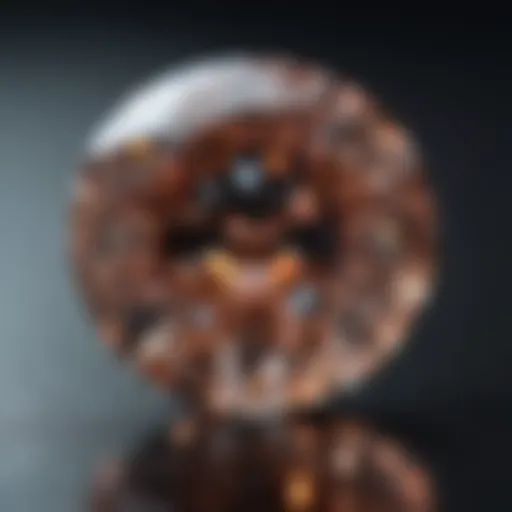
Exploring Red Spinel: Properties and Cultural Significance
Intro
Red spinel, a gemstone frequently overlooked, has begun to capture the attention of gem enthusiasts and collectors. While many people often mistake it for ruby or garnet due to its vivid red hue, red spinel holds a charm and a story of its own that is worth unraveling. This article dives into the essence of red spinel, exploring its unique physical characteristics, origins, historical context, and its role across various cultures. Moreover, we will take a closer look at its relevance in the jewelry world today and shed light on its metaphysical properties, enriching the understanding of this gemstone beyond mere aesthetics.
Gemstone Overview
Description of the gemstone
Red spinel is a naturally occurring mineral that belongs to the spinel group. Its chemical formula is MgAl2O4, which consists essentially of magnesium and aluminum oxide. The gemstone typically comes in a rich red color, although it can also be seen in shades like pink, purple, or even black. When you catch a glimpse of a well-cut red spinel, you might notice its glassy luster, giving it an inviting appearance that can catch anyone's eye.
In the jewelry world, red spinel is often praised for its spectacular brilliance and durability, scoring an impressive 7.5 to 8 on the Mohs scale of hardness. Unlike many other gemstones, it does not have natural inclusions, making it a cleaner alternative when considering options for rings or pendants.
Physical properties
The physical properties of red spinel help define its allure:
- Color: Ranges predominantly from bright red to dark, slightly purple hints, providing an intriguing spectrum for designers.
- Clarity: Most red spinels are near flawless, with little to no visible inclusions, enhancing their desirability.
- Crystal System: It crystallizes in the cubic system and presents a variety of forms, including octahedra.
- Refractive Index: The refractive index typically ranges from 1.710 to 1.730, contributing to its sparkle.
- Specific Gravity: Usually, red spinel has a specific gravity between 3.58 to 3.67, which is slightly heavier than many other gemstones of similar size.
Understanding these properties helps collectors and enthusiasts appreciate red spinel's visual and tactile sensations, separating it from its more famous counterparts.
Healing Properties
Metaphysical attributes
In various holistic practices, red spinel has garnered a reputation for its powerful metaphysical attributes. Many practitioners believe it possesses the ability to energize the spirit and promote a sense of confidence and motivation. Renowned for attracting prosperity and success, red spinel is often included in meditation practices aimed at enhancing personal power and courage.
"Red spinel is not just a pretty stone; its energy can inspire ambition and resilience, helping individuals face challenges head-on."
Common uses in holistic practices
Some of the typical applications of red spinel in holistic practices include:
- Meditation Tools: Used to focus energy and deepen meditation experiences.
- Crystal Grids: Incorporated into energy grids to enhance positive vibrations and intentions.
- Worn as Jewelry: Many believe that wearing red spinel can provide a protective aura and amplify one's self-confidence.
- Healing Rituals: Used in rituals aimed at attracting success and dispelling negative energies.
This dynamic stone has made a significant impact not only in the jewelry industry but also among those who seek balance, motivation, and spiritual growth.
Through its captivating physical allure, rich historical narratives, and growing cultural significance, red spinel continues to carve out its place in the vibrant world of gemstones. As we delve deeper into its origins and collections, the unique identity of red spinel unfolds like layers of an exquisite gem.
Prelims to Red Spinel
The exquisite red spinel is a gemstone that often finds itself floating beneath the shadows of more famous jewels like rubies and garnets. However, its unique properties and captivating history warrant a closer look. Understanding red spinel isn't merely an academic pursuit; it can be an eye-opener for enthusiasts and professionals alike, revealing a world of value often overlooked in the glittering realm of gemstones.
This section is central to the article because it sets the stage for a deep dive into the gem's multifaceted nature, from its chemical composition to its role in historical contexts. To fully appreciate red spinel, one needs to grasp its definition and significance, which are more than skin deep.
Definition and Overview
Red spinel is a mineral composed primarily of magnesium aluminate; its formula is MgAl₂O₄. Unlike its more illustrious rivals, it's a naturally occurring gemstone that displays a vivid range of red hues, occasionally verging on pink, which can confuse even seasoned collectors at first glance. Spinel’s brilliance and fire make it appealing for various applications, especially in jewelry design. However, our narrative goes beyond the surface and encourages us to ask deeper questions about its makeup and the stories buried within each stone.
Red spinel is often called the “stone of immortality,” and this nickname hints at its folklore-rich past, often intertwined with the myths of love and restoration. It becomes crucial to understand that red spinel offers an alluring alternative to other red gemstones, especially since its price per carat can often be more accessible.
Origin of the Name
The name 'spinel' originates from the Latin word spina, which translates to 'thorn.' This can be attributed to the mineral's sharp crystal structure that resembles a thorn, a fitting descriptor for such a robust and radiant gem. Historically, the naming conventions surrounding gemstones were fluid, and spinel was often confused with ruby or garnet, partly because of their similar colors. This misidentification was so widespread that some historical crowns and jewelry pieces that we now recognize as containing rubies actually contained red spinel.
Understanding the origins of the name not only reveals linguistic roots but also highlights a fascinating layer of human history—one of the often messy intersections between gem identification and cultural values. These intertwined narratives showcase how red spinel has been perceived and revered across time. Each name and story within it reflects the collective memory of various cultures, underlining that red spinel is not just a gemstone but a piece of history, just waiting to be fully appreciated.
"Red spinel might not glitter as loudly as its rival gemstones, but it carries a silent dignity that's hard to ignore."
As we continue through this exploration, the upcoming sections will detail the physical properties, historical significance, and cultural relevance of red spinel, revealing it as a worthy contender in the wealthy tapestry of gemstones dated back centuries.
Physical Properties of Red Spinel
The physical properties of red spinel are crucial for understanding its value and desirability as a gemstone. These attributes not only define its beauty but also establish its durability and suitability for various applications, especially in jewelry making. A deep dive into these properties reveals essential information for enthusiasts, collectors, and designers curious about this captivating stone.
Chemical Composition
Red spinel is primarily composed of magnesium and aluminum oxide, represented chemically as MgAl₂O₄. Its unique arrangement of atoms contributes to its brilliance and fire, making it a standout among gemstones. One interesting fact is that red spinel often contains trace elements like iron and chromium, which influence its color intensity. While the core components remain consistent, these impurities can create a broad spectrum of hues, ranging from vivid red to deeper shades resembling garnet.
Benefits of Understanding Chemical Composition:
- Identifying Origin: The trace elements can also hint at the geographic origin of the stone, with some regions yielding more vibrant examples.
- Quality Assessment: Knowing the chemical makeup aids in distinguishing high-quality stones from less desirable ones, ensuring collectors and designers select the best possible specimens.
Color Variations
The color variations in red spinel are intriguing, often leading to confusion with other gemstones like rubies. True red spinel ranges in color from a soft pinkish red to a rich, vibrant crimson, influenced by its differing chemical compositions. Additionally, some specimens may exhibit a slightly purplish or orangish hue on the spectrum, largely depending on the light conditions and impurities present.
Some notable points about its color variations include:
- Lighting Effects: The gemstone can appear distinctly different under various lighting conditions, with natural sunlight often bringing out the most vivid shades.
- Comparative Analysis: Careful observation is necessary to differentiate red spinel from its similar counterparts. For instance, a red spinel will typically reflect light differently than a ruby due to its unique refractive index.
Hardness and Durability
Evaluating the hardness and durability of red spinel is paramount for anyone considering it for jewelry. Red spinel ranks around 7.5 to 8 on the Mohs scale, indicating it is relatively hard and resistant to scratches. This durability makes it an ideal choice for daily wear rings or pendants, holding up well against the rigors of everyday life.
Considerations regarding hardness and durability:
- Impacts on Wearability: Its hardness ensures that red spinel can endure everyday wear, making it a practical choice for jewelry.
- Potential Vulnerabilities: While the gemstone is tough, sharp impacts can still chip or fracture it, meaning gentle handling is recommended, especially in delicate designs.
The clarity and brilliance of red spinel, fused with these remarkable physical properties, create a compelling case for its growing popularity. This combination of durability, stunning colors, and valuable chemical composition sets red spinel apart and marks it as a noteworthy addition to any gemstone collection.
Formation and Sources of Red Spinel
Understanding the formation and sources of red spinel is essential when one considers its beauty and value. This gem stands out not only for its vivid hues but also for how it comes to be. Each stone tells a story carved by the hands of time and geological processes. Grasping these processes provides insights into why red spinel is often both rare and desired.
Geological Formation
Red spinel is formed under unique geological conditions. This gemstone is a member of the spinel group, which develops in metamorphic rocks, particularly those that have undergone significant transformation due to temperature and pressure. To add a little complexity, spinels often form in environments rich in magnesium and aluminum. These elements contribute to the gem’s striking color and clarity.
The geological journey of red spinel can be fascinating. It typically forms in the earth’s crust at depths of 20 to 70 kilometers. Over millions of years, tectonic movements and volcanic activities can lead to the exposure of these gemstones at the surface. The relatively low melting point of spinel allows it to maintain its integrity during such tumultuous conditions.
Geologists have studied the conditions necessary for spinel formation in locations like metamorphic terrains typical in regions such as Myanmar, Sri Lanka, and even Madagascar. Each locale offers a different glimpse into the various environments that can yield this remarkable stone.
"Geological diversity plays a significant role in the formation of gemstones, making the study of their origins crucial for understanding their uniqueness."
Major Deposits Worldwide
While red spinel may crop up in a smattering of locations around the globe, certain areas have garnered more attention due to their rich deposits. Here are some noteworthy regions:
- Myanmar: Known historically for its high-quality rubies, this region also produces some stunning red spinel varieties. The classic Burmese spinels are often deep red and are highly sought after.
- Sri Lanka: Often referred to as the land of gems, Sri Lanka is home to beautifully colored red spinel, known locally as the "ruby spinel." The unique geology of this island nation contributes to the quality of stones available.
- Tanzania: Emerging as a significant player in the global gemstone market, Tanzanian spinels are gaining a reputation for their brilliance and affordability. The variety in color ranges here is also impressive.
- Vietnam: More recently, regions in Vietnam have been explored, revealing deposits that are catching the eye of collectors and jewelers alike.
The global landscape for red spinel is dynamic, with new deposits being discovered and older ones becoming more coveted. Collectors often face the challenge of distinguishing between treated and natural stones, making understanding these founding locations critical in navigating the market. Ensuring the authenticity and provenance of red spinel adds further importance to the awareness of where these treasures are sourced.
Historical Significance of Red Spinel
The historical significance of red spinel stretches across many cultures and eras, revealing a rich tapestry woven with intrigue, value, and symbolism. This captivating gemstone, often mistaken for ruby due to its bright red hue, has played a notable role in the jewelry of ancient civilizations and continues to be a topic of interest in socio-cultural discussions today. By looking into its use in ancient cultures and its symbolic implications, we can appreciate why red spinel holds a special place in gemological history.
Use in Ancient Cultures
Red spinel’s allure has been known since ancient times. It found its way into the crowns and ornaments of Asian monarchs, particularly in places like India and Myanmar. For instance, one of the most famous pieces of red spinel history is the Black Prince’s Ruby—a notable crown jewel of the British monarchy. Surprisingly, this stone is actually a red spinel and not the ruby many assume it to be. This misunderstanding goes on to show the gem's longstanding importance and high regard across various cultures.
In ancient Persia, red spinel was thought to be a stone of healing and protection. It was often favored in jewelry worn by nobility, indicating wealth and status. Not only did it serve an ornamental purpose, but it was believed to bring fortune and luck to its owner.
Other cultures, such as those in medieval Europe, also adopted red spinel. It became common in ecclesiastical jewelry, often adorning crosses or ornate chalices, as it was thought to symbolize Christ's blood and sacrifice. The placement of spinels in these significant religious artifacts illustrates its dual role as both a decorative and spiritual element.
Symbolism and Folklore
Throughout history, red spinel has symbolized various concepts ranging from love and passion to strength and resilience. The stone's vibrant red coloration has made it a favorite for symbolizing love, much like its more famous counterpart, the ruby. In folklore, it has often been associated with the heart, representing deep emotional connections and the fervor of romantic relationships.
"Red spinel, believed by some to ward off negativity, was dubbed 'the stone of rejuvenation'."
Additionally, in some traditions, red spinel is seen as a grounding stone, believed to restore lost energy and promote balance. This spiritual characteristic drew many to it in the past, primarily among healers and shamans who viewed it as a source of vitality.
In other cultural narratives, particularly within the realm of astrology, red spinel has been assigned certain astrological significances. It is sometimes linked with the planet Mars, aligning with attributes of courage and assertiveness.
In summary, the historical significance of red spinel intertwines with its use in ancient cultures where it not only served as a treasured gem but also carried deep symbolic meanings that resonate to this day. Through its vibrant history, red spinel emerges not just as a gemstone but a character in the ongoing story of human civilization.
Cultural Relevance of Red Spinel
Red spinel, often flying under the radar compared to its more glamorous gemstone relatives, holds a distinctive place in various cultures and jewelry designs. Its significance goes beyond mere aesthetics, intertwining with the historical narratives and artistic expressions of diverse societies. Understanding the cultural relevance of red spinel helps us appreciate not only its beauty but also its profound connections to human creativity and belief.
Role in Jewelry Design
Red spinel has carved out a lovely niche in jewelry design, capturing the hearts of artisans and collectors alike. Its vibrant red hue can rival that of a ruby, but its price point often makes it a more accessible choice for many. Designers play with this unique quality, blending red spinel with other gemstones.
- Versatility: Whether in necklaces, rings, or earrings, red spinel proves to be a versatile companion, offering designers the chance to explore various styles—from vintage to modern.
- Symbolism: In some cultures, red spinel is considered a stone of hope and renewal, often incorporated into pieces intended for special occasions, such as weddings. The gemstone's rich color can symbolize love and passion.
- Unique Settings: Its durability and brilliance make it an excellent choice for intricate designs, allowing for elaborate settings that enhance the stone's natural beauty.
Jewelry featuring red spinel can be found gracing the fingers of royalty, as well as casual wear of everyday folks. This adaptability speaks volumes about its appeal; it fits seamlessly in both dazzling and understated pieces.
Cultural Traditions and Practices
Across the globe, red spinel's cultural significance is felt in various traditions and practices.
- Ceremonial Use: In some regions, red spinel is utilized in ceremonial jewelry. For instance, in Southeast Asia, it is often worn during festivals to bring good fortune.
- Folklore: Many ancient stories tell of red spinel as a bringer of luck and protection. There's a belief that wearing this gemstone can protect the wearer from negativity and harm.
- Gift of Love: In some cultures, gifting red spinel is considered an expression of deep affection. It is a popular stone for engagement rings, symbolizing commitment and a fiery love.
"In traditions woven through time, the red spinel stands firm as a beacon of meaning, love, and faith."
The gentle vibrancy of red spinel is not just for show; it encapsulates the history of those who have cherished it. Through its enduring presence in jewelry and cultural rituals, red spinel remains a significant part of our collective human experience, bridging the gap between what is beautiful and what is sacred. The stories and significance attached to this stone make it a compelling choice for both wearers and collectors, connecting them to a rich tapestry of cultural heritage.
Red spinel indeed shines not just for its physical properties but also for its enduring legacy across the ages.
Metaphysical Properties of Red Spinel
The metaphysical properties of red spinel are not merely an obscure trivia for gemstone aficionados; they dive into a realm where the physical and spiritual intertwine. This striking stone carries a long-standing reputation for its ability to promote vitality and invigorate the spirit. Many enthusiasts claim that red spinel emits an energy that encourages an optimistic outlook on life while fostering personal development.
Healing Powers
When it comes to healing, red spinel is often heralded for its purported abilities to aid in recovery. It is believed to promote overall well-being, particularly in overcoming physical ailments that stem from emotional distress. The vibrant hue of red spinel is said to resonate with the root chakra, often associated with the life force and vitality.
Some practitioners argue that keeping red spinel close can improve one’s stamina, encouraging a robust constitution. It might be particularly effective after periods of stress or illness. It aids in releasing negative energy trapped in the body, allowing for better emotional and physical health. Furthermore, it is considered beneficial for blood circulation and can even be linked to assisting with issues like fatigue or lethargy.
"Red spinel is thought to connect the wearer with their innate strength, empowering them to tackle life’s challenges head-on."
Emotional and Spiritual Benefits
Beyond its physical healing properties, red spinel is valued for its emotional and spiritual benefits. It is often associated with fostering courage and fortitude, empowering individuals to face their fears and achieve their goals. Many who work with this stone report increased motivation and a clear vision of their life’s path.
On a spiritual level, red spinel is said to stimulate passion and creativity. Artists and creators often find inspiration from the stone, as it encourages out-of-the-box thinking and self-expression. It is believed to act as a catalyst for personal growth, aiding individuals in aligning their intent with their actions. Additionally, it helps in the manifestation of desires by keeping a clear and positive mindset, thus attracting success and abundance.
In moments of doubt or uncertainty, red spinel serves as a reminder of one’s inner strength, helping to clear emotional blockages. It’s this blend of emotional resilience and creativity that makes red spinel a cherished companion for those on a journey of self-discovery.
In summary, the metaphysical properties assigned to red spinel highlight its significance far beyond aesthetics. For enthusiasts, collectors, and those who carry it for its purported benefits, red spinel is more than a gemstone; it is a source of energy and healing that resonates with the very essence of life.
Identifying Authentic Red Spinel
Understanding how to identify authentic red spinel is crucial for enthusiasts and collectors. The market for gemstones can sometimes feel like navigating a minefield, especially with the proliferation of synthetic and misidentified stones. Knowing the distinct features of real red spinel not only protects investment but also enhances one’s appreciation of this remarkable gem.
Key Identification Features
When trying to determine the authenticity of red spinel, there are several key characteristics to look out for:
- Color: Natural red spinel can exhibit a rich, vibrant hue. Unlike rubies, it often has a subtle purplish tinge. A true red spinel should not showcase overly dull or dark colors.
- Clarity: Genuine specimens tend to have few inclusions or blemishes compared to other stones. If you see excessive flaws, it might indicate a lower-quality stone.
- Brilliance: Real red spinel usually has a high refractive index, contributing to its brilliance and sparkle. Hold the stone to the light; it should reflect it well without looking muddy.
- Specific Gravity: The specific gravity of red spinel ranges from about 3.58 to 3.63. A simple scale can help gauge its weight in relation to its size.
- Hardness: On the Mohs scale, red spinel scores a strong 7.5 to 8, making it resistant to scratches. A softer stone may indicate a different material.
With these features in mind, potential buyers can enhance their ability to distinguish genuine red spinel from imitations and fakes in the market.
Common Misdirections with Other Stones
Many gemstones can mimic the appearance of red spinel, leading to easy misidentification. Here are a few common culprits:
- Ruby: Though rubies are highly sought after, some may confuse them with red spinel due to their similarities in hue.
- Garnet: Red garnets can resemble red spinel in color. However, garnets typically possess more depth and warmth in their tone.
- Synthetic Spinel: While synthetic varieties are chemically identical, they often lack the unique inclusions present in natural stones.
- Tourmaline and Zircon: Certain tourmalines and zircon gemstones can also exhibit a red color reminiscent of spinel, but they often show more zoning or unusual clarity.
Keeping these comparisons in mind will prove beneficial when attempting to navigate the complex world of gemstones. Thoroughly researching individual stones and understanding their distinct features will help you add authentic red spinel to your collection thoughtfully.
Care and Maintenance of Red Spinel
Taking care of red spinel is not just a matter of keeping its shine and luster; it's about preserving the beauty and integrity of this exquisite gemstone. Over time, exposure to dirt, chemicals, and daily wear can take a toll on your red spinel. Therefore, understanding how to properly care for and maintain this gem is essential for every enthusiastic collector and jewelry designer. Proper maintenance not only prolongs the life of the gemstone but also ensures that its natural beauty continues to captivate.
Proper Cleaning Techniques
When it comes to cleaning red spinel, gentle care goes a long way. You won’t want to risk scratching or damaging the surface of the stone, which can be surprisingly delicate despite its hardness. Here are some effective techniques to keep in mind:
- Mild Soap Solution: Mix a small amount of mild dish soap with lukewarm water. Soak a soft cloth in this solution and gently wipe the surface of the gemstone. Avoid anything abrasive.
- Soft Brushes: Toothbrushes or makeup brushes with soft bristles can be used to reach any crevices. Dip the brush into the soapy water and gently scrub the gem, ensuring to rinse it well afterward.
- Avoid Chemical Cleaners: Steer clear of commercial jewelry cleaners as they often contain harsh chemicals that can harm red spinel. Always stick to natural solutions when possible.
- Rinse Thoroughly: After cleaning, rinse the gemstone under running water to remove any remaining soap residue, which could dull its surface if left on.
In addition, it's wise to clean the stone after wearing it, especially if it has been exposed to lotions or fragrances. Just as you wouldn’t leave a film of dirt on your favorite piece of art, your red spinel deserves the same consideration.
Storage Recommendations
How you store your red spinel is just as important as how you clean it. Improper storage can lead to scratches, chips, or even loss. Here are some storage recommendations:
- Separate Storage: Always store your red spinel separately from other gemstones. This prevents scratching or damage from hard surfaces. Use pouches made of soft fabrics or individual compartments in jewelry boxes.
- Room Temperature: Keep the gemstone in a place where the temperature remains stable. Avoid extremes of heat or cold, as they can affect the gem's clarity and structure over time.
- Avoid Direct Sunlight: Prolonged exposure to sunlight can fade the flashy hues of red spinel. Opt for a cool, dark space like a jewelry box.
- Check Settings Regularly: If your red spinel is set in jewelry, periodically check the settings to ensure they remain secure. Loose settings can lead to the stone falling out or getting damaged.
By adhering to these cleaning and storage practices, you can ensure that your red spinel retains its stunning allure for years to come.
Market Trends and Value of Red Spinel
The allure of red spinel extends beyond its beauty; it also encapsulates a dynamic market that reflects changing tastes, values, and investment opportunities. Understanding market trends and the value of red spinel is pivotal for gemstone enthusiasts, collectors, and jewelry designers alike. This section aims to shed light on the complexities surrounding the valuation of red spinel, emphasizing both current trends and potential future shifts.
Factors Affecting Market Value
The market value of red spinel isn’t merely determined by its appearance but is shaped by a myriad of factors:
- Color and Clarity: The intensity and purity of color are vital. The richest hues of red, reminiscent of the finest Burmese rubies, tend to command higher prices. Clarity also plays a role; stones with fewer inclusions typically fetch a premium.
- Size: Larger gemstones often attract higher prices per carat, mainly due to scarcity. Yet, even small but exceptionally vibrant stones can be quite valuable.
- Source Location: The provenance of the gemstone can significantly influence its worth. For example, red spinel from Burma or Tajikistan is highly sought after, often fetching prices higher than stones from less renowned locations.
- Market Demand: As knowledge about red spinel expands, it's gaining traction in popular culture and design circles. Increased demand from jewelry designers and collectors can elevate prices over time.
- Rarity: Though not as rare as some other gemstones, high-quality red spinel remains less common than many mainstream choices like rubies. Limited supply contributes to its allure among discerning buyers.
"In the world of gemstones, rarity combined with beauty fuels desire.
Investment Potential
Investing in red spinel may present unique opportunities for collectors seeking to diversify their portfolios. While it's not as mainstream as diamonds or sapphires, its distinct characteristics offer compelling reasons for interest:
- Market Growth: As the gem gains recognition, its market could grow significantly. New collectors looking to invest in gemstones seek out unique pieces, and red spinel fits the bill.
- Appreciation Over Time: With proper care, the value of red spinel can appreciate, particularly for rare specimens. Collectors often track stones from trusted sources to ensure sound investment.
- Portfolio Diversification: For seasoned investors in gemstones, red spinel can provide an avenue to diversify away from more traditional gems, which can be advantageous as market trends shift.
- Cultural and Historical Significance: Being recognized for its historical connections (for example, its past association with royalty) adds an intangible value, further appealing to collectors and investors alike.
In summary, the market for red spinel is complex, influenced by various factors that dictate its value. As awareness and appreciation for this gemstone rise, both consumers and investors may find themselves drawn to its potential in the market.
Ending: The Allure of Red Spinel
Red spinel has a unique place in the world of gemstones. Often overlooked in favor of more well-known stones, such as rubies and sapphires, its charm lies in its rich history, striking beauty, and multifaceted value. The discussion surrounding red spinel touches upon several key elements that elevate its status:
- Aesthetic Appeal: The vibrant red color of red spinel can rival any other gem. Its brightness and brilliance are captivating, making it a sought-after option for those in search of distinctive jewelry pieces.
- Cultural Significance: Across various cultures, red spinel has held symbolic meanings ranging from strength to protection. Engaging with its historical context unveils fascinating narratives that enrich its allure.
- Metaphysical Properties: The gemstone is not just about its physical beauty. Many enthusiasts believe in its emotional and healing benefits, adding a layer of significance that goes beyond mere aesthetics.
- Market Trends: Despite being scarce, the current market trends show a growing interest in red spinel, making it an exciting asset for collectors and investors alike.
Summation of Key Insights
Red spinel finds itself at the intersection of beauty and depth. In summarizing key insights, it's essential to acknowledge:
- Its chemical properties that contribute to its durability and color.
- The historical narrative surrounding its use, from ancient treasures to present-day allure.
- The cultural practices that celebrate this stone, weaving it into various traditions.
- Its healing properties that resonate with those seeking emotional upliftment.
As we observe the ongoing market dynamics, it’s crucial to highlight that investing in red spinel is not merely a financial decision; it represents an appreciation of artistry and heritage.
Future Perspectives
The future of red spinel appears bright as more collectors and jewelry designers recognize its charm. Market trends suggest a steadily increasing interest in lesser-known gemstones, with red spinel at the forefront. Some factors to consider going forward:
- Growing Demand: As consumers look for unique gemstones, red spinel may see its demand on the rise. Custom pieces featuring red spinel are likely to emerge, making the stone even more desirable in the jewelry market.
- Sustainability Focus: The industry is increasingly aware of ethical sourcing and sustainability. Red spinel, with its often fair-trade sources, can fit nicely into eco-conscious buying habits.
- Educational Efforts: More awareness about the gemstone will likely stem from informed enthusiasts and gem fairs, leading to deeper connections between consumers and red spinel.
As the narrative around red spinel continues to unfold, the gem stands ready to solidify its place not just as an option in the market but as a symbol of artistry, culture, and emotional connection.