Distinguishing Charms from Pendants in Jewelry
Intro
Jewelry often serves as a personal expression of style and sentiment, with charms and pendants taking center stage in many designs. While these two components may seem similar, their nuances are like night and day. Understanding the differences can lead to more informed choices when curating a jewelry collection or selecting the perfect piece for an occasion. This guide offers insights into charms and pendants, diving into their definitions, uses, and historical contexts, while also shedding light on their role in contemporary fashion.
Gemstone Overview
In the realm of jewelry, gemstones frequently hold the spotlight, enhancing both beauty and symbolic meaning. While charms and pendants can be made from various materials, it's often gemstones that catch the eye and resonate with wearers.
Description of the Gemstone
Gemstones come in an array of shapes, sizes, and colors, each carrying its own story and allure. A gemstone, such as a sapphire, might evoke the calming depths of the ocean or spark thoughts of royal nobility. The specific attraction to a gemstone can stem from its aesthetic beauty or deeper meanings tied to cultural symbolism.
Physical Properties
Physical characteristics vary widely among gemstones. Take, for instance, the hardness scale—diamonds sit atop as the hardest known natural material, while softer stones like opals and pearls require a gentler touch. This hardness varies not just among types but also affects how these gems are set into charms and pendants.
- Transparency: Some gemstones are transparent, like aquamarine, while others, such as jade, exhibit opacity.
- Color Play: Certain stones like the labradorite showcase remarkable optical phenomena, captivating light in ways that can enhance design allure.
- Durability and Care: Different stones require distinct methods of cleaning and care, emphasizing the need for collectors to understand their chosen gemstones.
"Selecting the right gemstone isn't just about aesthetics; it's about a personal connection that resonates within."
Healing Properties
For many, the interest in gemstones transcends their visual appeal. The metaphysical aspects have found a place in holistic practices, with each gemstone supposedly offering unique healing properties.
Metaphysical Attributes
Many believe that gemstones can influence emotional, physical, and spiritual well-being. For example, amethyst is often associated with peace and tranquility, making it a popular choice for stress relief. Meanwhile, citrine is thought to foster creativity and abundance—a gem for those seeking inspiration in professional endeavors.
Common Uses in Holistic Practices
In holistic circles, gemstones are utilized in several ways. Here are a few common practices:
- Meditation: Holding a gemstone during meditation is said to enhance focus and connection to one's inner self.
- Crystal Healing: Many practitioners believe placing specific stones on certain body parts can help align energies and balance chakras.
- Emotion Regulation: Some individuals carry stones such as rose quartz in their pockets, believing they promote love and emotional healing.
End
The delicate dance between charms and pendants, coupled with the allure of gemstones, illustrates how deeply intertwined beauty and meaning can be in jewelry design. This exploration not only helps enthusiasts appreciate the artistry but also encourages thoughtful engagement with personal adornments.
For more in-depth insights into jewelry design and the significance of gemstones, consider visiting resources like Wikipedia or Britannica.
Collectively, charms and pendants represent layers of cultural and personal expression, serving as powerful mediums through which we share our stories.
Foreword to Charms and Pendants
When we think of jewelry, it’s often the glittering allure of shiny gemstones that first captures our attention. However, nestled within this realm are two elements, charms and pendants, each carrying its own tale. Understanding these components is vital for anyone stepping into the world of jewelry design or collection. They are not merely decorative trinkets but vessels of meaning and expression, transcending mere obects of adornment. As we dive into this analysis, we’ll see how charms and pendants both enhance personal style while offering unique opportunities for creativity and storytelling.
Understanding Jewelry Components
Jewelry design is a craft that involves more than just assembling pieces with flair; it’s about weaving a narrative through materials and forms. Charms and pendants, while often confused, serve distinct purposes. Charms are typically small decorative items that add whimsy and personal significance to a bracelet or necklace. They may represent events, memories, or personal beliefs, making them a popular choice for customization. In contrast, pendants tend to be larger and hang more prominently from chains or cords, often acting as the centerpiece of a piece of jewelry.
To fully appreciate these components, one must recognize how their size and functionality differ. Charms invite a playful mixture of styles and can be added or removed at will, allowing collectors to create a piece that changes as they do. This fluidity also makes charms a favorite in modern jewelry-making, characterized by personalization and storytelling.
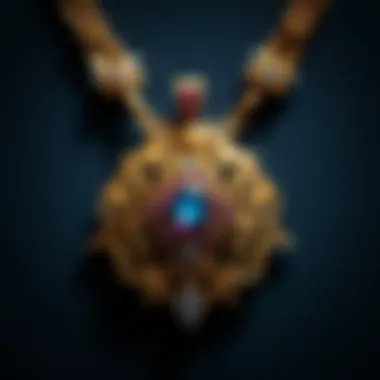
Pendants, on the other hand, are often designed to be more striking, with intricate details that showcase craftsmanship. They serve not only as artistic expressions but also as conversation starters. While a charm may hint at a story, a pendant often shouts it, drawing attention from afar.
In summation, the distinction between charms and pendants is crucial for those involved in jewelry. It influences how individuals express themselves and how artisans approach their craft. By understanding the nuances and heritage of these jewelry components, enthusiasts can make informed decisions that reflect their unique identities.
"Jewelry does not have to be expensive or exclusive, but it must tell a story and create a connection."
Defining Charms
Understanding charms is crucial for grasping their role within jewelry design and culture. These intricate decorations not only add flair to an individual’s adornments but also carry personal significance that speaks to the wearer's experiences and memories. Unlike other jewelry pieces, charms often serve a dual purpose: they are both decorative and sentimental, allowing individuals to tell their unique stories through their collections.
Historical Context and Evolution
Charms have a storied history that weaves throughout various cultures and eras. Their origins can be traced back to ancient civilizations, where they were fashioned from natural materials such as stones or wood, often infused with spiritual or protective qualities. The Egyptians, for example, adorned themselves with carvings that symbolized deities or offered protection from malevolent forces.
Over centuries, charms evolved in both style and function. The advent of metals transformed charms into more durable and intricate pieces. By the Middle Ages, they took on additional meanings, often representing luck or love. During the Renaissance, charms became fashion statements, with the aristocracy donning elaborate designs studded with precious stones.
Through the ages, charms have persisted as personal talismans, often evoking emotional connections. Today, they are prominently featured in modern jewelry collections, often marketed toward those looking to customize their pieces—be it a bracelet, necklace, or even earrings.
Common Materials Used
In crafting charms, artisans utilize a myriad of materials, each chosen for both aesthetic appeal and significance. Commonly used materials include:
- Gold and Silver: Precious metals remain the most sought-after for charm creation due to their durability and luster. Gold, for instance, not only signifies luxury but also symbolizes eternal value.
- Gemstones: Adding gemstones to charms infuses an element of color and potential meaning. For example, a charm adorned with a sapphire may represent wisdom, while amethyst might evoke peace.
- Enamel: This colorful coating allows for vibrant designs, bringing life to metal charms. Enamel charms can reflect personal interests, hobbies, or favorite colors.
- Leather and Wood: Earthy materials often add an organic touch, appealing to those who favor a more rustic aesthetic. These materials may suggest a connection to nature or a simpler lifestyle.
- Glass: Murano glass, with its captivating patterns and hues, has found its way into charm making, exemplifying lightness and whimsy.
By understanding the diverse materials employed in charm creation, collectors can appreciate not just the craftsmanship, but the stories and symbolism that accompany each piece.
"Charms are more than just beautiful adornments; they are vehicles of memories and emotions, worn as stories on our wrists or necks."
Through these insights, charms remain an enriching aspect of personal adornment, truly allowing their wearers to express individuality and sentimentality.
Defining Pendants
In the realm of jewelry, pendants hold a unique stature, serving as focal points that capture attention and evoke emotion. They represent not only a decorative element but also a canvas for personal expression and storytelling. Defining pendants goes beyond just understanding their physical characteristics; it involves delving into their historical significance and their evolving role in modern fashion. Through discussing the various aspects of pendants, this section highlights their importance and the myriad of ways they can enhance one’s aesthetic and personal narrative.
Historical Context and Evolution
Pendants have a rich history that weaves through different cultures and eras. Historically, they have transcended mere ornamentation to represent societal status and cultural identity. From ancient amulets, which were believed to possess magical properties, to sophisticated designs from the Renaissance period, pendants have evolved in both function and form.
In ancient Egypt, for instance, pendants adorned with hieroglyphics were worn by pharaohs to symbolize their divine connection. Moving forward into the Middle Ages, pendants often embodied Christian symbols, reflecting the prevalent religious beliefs of the time. The Victorian era, on the other hand, witnessed the rise of intricate designs featuring birthstones or lockets, which held personal significance to the wearer. This historical evolution lays the groundwork for understanding how pendants have maintained their relevance in personal adornment throughout the centuries.
Common Materials Used
The beauty of pendants is significantly influenced by the materials used in their creation. Jewelers today employ a range of materials to craft these intricate pieces, each bringing its unique flair and significance.
- Metals: Silver and gold remain the favorites among pendant makers. Each metal has distinct qualities — gold, known for its durability and luxuriousness; silver, celebrated for its shine and affordability.
- Gemstones: Often at the heart of a pendant’s allure, gemstones like diamonds, sapphires, and emeralds add color and personality. Their meanings vary, with some believed to bring luck or protection.
- Wood and Natural Elements: Some artisans use organic materials, like wood, shells, or even stones, to create rustic and nature-inspired pendants. These materials appeal to those seeking a deeper connection with the earth.
- Synthetic Materials: With advancements in technology, synthetic materials are being used more in modern pendants. Resin or glass offer vibrant colors and unique designs while being more affordable.
The choice of material not only affects the aesthetic but also the emotional resonance of the piece. Each pendant might tell a different story based on the materials chosen, whether reflecting luxury, tradition, or a love of nature.
Key Differences Between Charms and Pendants
Understanding the key differences between charms and pendants is essential in the world of jewelry design, especially for enthusiasts and collectors. Each of these components plays a distinct role in personal adornment. Charms tend to carry a sense of whimsy and can often look like little treasures that add a layer of personalization. In contrast, pendants usually present more formal designs that can showcase a variety of meanings and artistic styles. By identifying these differences, one can not only enhance their jewelry collection but also deepen their appreciation for the craftsmanship behind each piece.
Size and Scale: A Comparative Analysis
When speaking of charms and pendants, size is one of the most noticeable distinctions. A charm often measures very small, sometimes less than an inch, making it versatile enough to adorn everything from bracelets to necklaces. Their diminutive size allows users to cluster several charms together, creating a densely packed narrative of memories or milestones. It's like a miniature gallery, capturing individual stories within a larger framework of jewelry.
On the other hand, pendants are generally larger and often become the focal point of a necklace. This prominence can lead to a bolder statement, attracting the eye immediately. Think of it as the centerpiece on a grand stage, demanding attention and often designed to convey deeper artistic or symbolic meaning. As a collector, understanding where these pieces are meant to fit can inform your purchasing decisions.
Design and Attachment Mechanisms
The design elements of charms and pendants vary significantly, not just aesthetically but also in how they are attached to their respective jewelry pieces. Charms commonly feature a small loop or clasp that enables them to be easily attached and detached. This aspect enhances their versatility. You might attach a charm to a bracelet one day and clip it onto a necklace the next, thus allowing for exceptional customization based on mood or occasion.

Pendants, however, typically rely on a more secure attachment mechanism, often employing a bail that allows them to hang elegantly from a chain. The design of a pendant is frequently more intricate, as artisans may want to incorporate gemstones or unique shapes that lend themselves to a particular theme or style. The technique of adding these details often reflects higher levels of craftsmanship, making pendants not merely accessories but true statements of artistry.
Functionality in Jewelry Design
When it comes down to functionality, charms and pendants serve different purposes. Charms are often symbolic, each piece representing an event, belief, or memory, allowing the wearer to tell their story through jewelry. This capacity for personal narrative can also contribute to a piece’s value—both monetary and sentimental. When someone receives a charm, it’s rarely just a piece of jewelry; rather, it’s often tied to a moment or relationship that matters deeply to them.
On the flip side, pendants are generally designed to provide a more uniform aesthetic appeal. They can often embody geological beauty or artistic originality. While they can carry symbolic meaning, pendants often serve to enhance the overall look of an outfit or create a specific style statement. For a discerning eye, the choice between a charm or a pendant can significantly impact not just the look but also the message the jewelry conveys.
Symbolism and Personal Significance
The realm of jewelry is not just about glistening surfaces and intricate designs; it often serves as a canvas for personal stories and cultural narratives. Understanding the symbolism and personal significance behind charms and pendants sheds light on why these pieces resonate deeply with individuals. Both charms and pendants can reflect phases of life, beliefs, values, or cherished memories. They often embody emotions or experiences that are significant to the wearer, creating a bond that goes beyond mere aesthetics.
Cultural Perspectives on Charms
Charms have walked a long road through history, often intertwined with different cultures and their unique beliefs. For instance, in many ancient traditions, charms were considered protective talismans. In Egypt, scarab beetle charms symbolized rebirth and protection, showcasing the diverse meanings associated with these small accessories.
In contemporary settings, one might find mystic symbols, birthstones, or even initials on charms. Such choices reveal personal connections; they can commemorate significant milestones or represent aspirations. For instance, a charm representing a specific place might symbolize a treasured memory of travel, creating a tactile link to that moment in time. This makes charms not only decorative but profoundly personal reminders of one's journey.
Cultural contexts also dictate the choice if materials and designs. Some communities incorporate local stones or specific designs reflecting their heritage, turning these charms into symbols of pride and identity. Considering how charms evolve within cultural frameworks illustrates how they can embody collective narratives while remaining deeply personal.
Cultural Perspectives on Pendants
Pendants carry their own weight in cultural symbolism, often signifying a more prominent role in personal expression. In various cultures, pendants have been featured prominently in rituals and traditions. For example, in many Native American cultures, pendants made from turquoise are believed to bring protection and healing. Similar beliefs exist in different cultures, where the pendant acts as a bearer of meaning or spiritual guidance.
Fashion-wise, pendants may be utilized in storytelling through intricate jewelry. Take, for example, the classic heart pendant. It is not just a piece of jewelry; it conveys love and affection, finding its place in romantic exchanges. The act of wearing such a pendant speaks volumes; it embodies feelings that words may fail to articulate.
The variety of designs also reflects cultural richness, with artists incorporating motifs representing various philosophies - from Celtic knots symbolizing eternity to the infinity sign in modern jewelry, capturing the essence of enduring love or friendship. These symbols amplify the significance of wearing a pendant, making it a quintessential part of one’s identity.
In sum, charms and pendants are more than just adornments. They carry stories, beliefs, and emotions that connect wearers to their heritage and experiences. Whether expressing personal narratives or communal wisdom, the importance of symbolism and personal significance cannot be overlooked as these elements enhance the intrinsic value of the jewelry we wear.
Practical Applications in Jewelry Design
The interplay between charms and pendants holds a significant place in jewelry design, serving not only as adornments but also as vessels of personal expression. Understanding their practical applications allows gem enthusiasts and designers alike to make thoughtful decisions while crafting unique pieces. By examining how these components can be merged into wearable art, couples with insights into current trends, we can deepen our appreciation for their roles in contemporary fashion.
The beauty of charms lies in their versatility. They can be clipped onto bracelets or worn as necklaces, often reflecting the wearer's personality or experiences. In today's market, people seek personalized jewelry that tells their story. For instance, a mother might adorn her charm bracelet with miniature representations of her children, while someone celebrating a recent travel adventure may opt for charms that symbolize their journey. Such applications underscore how charms can carry sentiments and memories, thereby enhancing the emotional value of the piece.
When it comes to pendants, their role in jewelry transcends mere decoration. The ability to create focal points in designs cannot be overstated. Pendants can vary from intricate and heavy pieces to delicate and lightweight ones, depending on the occasion and outfit. For example, a bold gemstone pendant can add drama to a simple evening gown, while a dainty pendant might elegantly complement a casual outfit. This adaptability allows the wearer to convey a sense of style that aligns with their personal aesthetic and the context of their wardrobe choices.
Wearing Charms: Styles and Trends
Wearing charms is a trend that has been gaining momentum, particularly among younger consumers. Charm bracelets, once merely a nostalgic artifact, have returned to the forefront of modern fashion with a fresh spin.
- Layering: Users now frequently choose to layer charms with other wrist accessories such as bangles or watches. This stacking effect cultivates a visually dynamic yet personal style.
- Categorization: Charms can be grouped by themes such as hobbies, family, or travel. This grouping allows for an intimate expression of one’s life experiences. As a result, wearers can switch out charms to adapt their bracelets to varying moods or events.
- Custom-made Options: The demand for personalized charms has surged, offering an array of options such as engravings or custom designs, making each piece truly one-of-a-kind. This trend is especially prevalent on platforms geared toward handcrafted goods where consumers can directly influence designs and story.
These trends reflect a broader movement within fashion that prioritizes individuality, meaning wearers can express themselves more tangibly through jewelry while also keeping their collections fresh and engaging.
Incorporating Pendants into Fashion
Pendants hold a special place in jewelry aesthetics, offering the wearer an opportunity to make a statement. When designed thoughtfully, they can elevate any outfit, transforming the mundane into the extraordinary.
- Versatile Styling: The adaptability of pendants allows them to be worn across various scenarios, whether casual or formal. A statement pendant can bring a sophisticated touch to a basic white tee and jeans, whereas a subtle, elegant pendant can complete an evening look seamlessly.
- Material Variation: With a myriad of materials available, from gold and silver to unique stones and even wood, pendants can cater to diverse tastes. This variety allows individuals to select pieces that resonate with their personality, cultural background, or fashion preferences.
- Color Coordination: Pendants can be used to introduce colors and textures that align with the wearer’s outfit palette. For instance, a striking turquoise pendant can serve as a vibrant accent against neutral-toned attire.
By integrating pendants thoughtfully into one's wardrobe, a wearer is not just decorating their attire; they are creating visual narratives that resonate with their personal style and identity.
"Jewelry is a way of keeping memories alive, and the right charm or pendant can articulate a story that transcends words."
Through a detailed understanding of the practical applications of charms and pendants, both enthusiasts and designers can navigate the rich landscape of jewelry creations with clarity and purpose, enhancing not only their collection but also the significance they hold.
Craftsmanship and Artistry
Craftsmanship and artistry form the backbone of the charm and pendant industry. These elements are what set apart mass-produced pieces from the unique, hand-crafted items that often tell a story. A jewelry item isn't merely an ornament; it's a fusion of technique, creativity, and emotion. Artisans invest time and meticulous care into each piece, transforming simple materials into stunning works of art. The craftsmanship involved speaks volumes about the quality and significance of both charms and pendants in jewelry design.
When one looks at a handcrafted item, it’s not just about the final product, but the journey taken from inception to completion. The choice of materials, the methods of construction, and the finishing touches all influence the piece’s aesthetic and durability. This brings us to some important considerations in craftsmanship:
- Material Selection: Choosing the right materials is essential. From metals like gold and silver to gemstones and enamel, each element can resonate differently with potential buyers.
- Skill and Experience: The artisan’s skill level can significantly impact the final product. Master jewelers often employ techniques passed down through generations, giving each piece a unique flair.
- Attention to Detail: Small details—like the polish of a surface or the alignment of a gemstone—can be the difference between a mediocre piece and a stunning one.
Artistry, on the other hand, lends a personal touch that often indicates the designer’s vision or reflects cultural significance. An exquisite charm may not just be a trinket but may symbolize something deeper. Recognizing these aspects enhances the appreciation of charm and pendant designs. Essentially, the harmony of craftsmanship and artistry allows for personal expression in jewelry, rendering each piece not just an accessory, but a representation of one's values, memories, or aspirations.
Techniques in Charm Creation
The charm-making process is fascinating, embodying various methods and techniques tailored to produce small yet intricate pieces. One prevalent technique used in charm creation is the lost-wax casting method—a traditional approach where molten metal takes the shape of a wax model. This model is melted away, leaving behind a hollow space to cast the metal. The result is often a finely detailed charm that captures the artisan's creativity.
Another popular technique involves hand-engraving, where artisans meticulously carve designs into the surface of the charm. This method allows for uniqueness, especially when initials or personal symbols are added. Enamelingfurther adds color and character, involving a process where powdered glass is fused to the metal at high temperatures, creating vibrant designs that can be admired for years.
Every technique brings its own set of challenges and rewards. Artisans need patience and precision, understanding their materials thoroughly to achieve the best results. The increasing trend of personalized charms also means that designers must be adaptable, often working closely with clients to bring visions to life. This interaction enriches the charm-making experience, marrying the artisan's skill with the client’s dreams.
Techniques in Pendant Creation
Pendats, unlike charms, often focus on larger designs that hang elegantly on necklaces. The creation of pendants can involve a variety of intricate methods as well. Stone setting is a key technique, especially for pendants adorned with gemstones. This involves securing precious stones in place using metal prongs, creating a delicate balance between security and visual appeal.
Often pendants are made using metal fabrication techniques such as soldering, blending different metals or adding layers for dimension. Techniques like cuttlefish casting provide a unique texture, resulting in one-of-a-kind pieces. This method involves casting metal into a cuttlefish bone, which leaves an impression giving the pendant a natural look.
Furthermore, integrating mixed media adds another dimension to pendant design, where materials such as wood, resin, or glass fuse with traditional metals. Consequently, anything from geometric designs to flowing organic shapes can come to life. Designers are constantly experimenting, always on the lookout for innovations while respecting artisanal methods.
Market Trends and Consumer Preferences
Understanding market trends and consumer preferences is crucial when diving into the realm of jewelry design, particularly in distinguishing between charms and pendants. These trends not only guide manufacturers in crafting appealing products but also inform consumers about the styles that resonate most with their lifestyles. In today’s ever-evolving market, jewelry is more than just ornamentation; it is a form of self-expression, significantly shaped by social dynamics, cultural influences, and technological advancements.
Popularity of Charms in Contemporary Jewelry
Charms have seen a significant uptick in popularity among consumers, especially within niche markets like charm bracelets. They offer versatility and the possibility for personalization, allowing wearers to express their identities through unique combinations. This preference can be traced back to trends in social media, where platforms like Instagram and Pinterest serve as visual galleries showcasing diverse charm assortments.
- Personalization: More than ever before, individuals seek items that tell their stories. Charms can embody personal milestones or passions, resulting in a piece of jewelry that is uniquely theirs.
- Social Influence: Influencers and celebrities often sport charm bracelets, further embedding these items into contemporary culture. The allure of customization attracts buyers who desire a blend of artistry and personal history in their jewelry.
- Affordability: While high-end pendants can carry a hefty price tag, many charms are relatively affordable, making them accessible to a wider audience. This accessibility has helped buoy their popularity in recent years.
The continued rise in the popularity of charms aligns with the broader consumer shift toward unique, meaningful items rather than generic luxury goods.
Demand for Unique Pendants in Modern Fashion
Conversely, pendants have carved out their niche in modern fashion as symbols of elegance and sophistication. As consumers increasingly seek distinctive style statements, unique pendants have emerged as trendsetters in jewelry collections. This preference reflects broader movements within fashion towards individuality and bespoke items.
- Artisanal Appeal: There’s a growing appreciation for craftsmanship and artistry, with many consumers leaning towards handmade or distinctive designs. Unique pendants, often created by skilled artisans, fulfill this desire by offering pieces that stand out from the mass-produced alternatives.
- Fashion Versatility: Pendants can be dressed up or down, aligning nicely with various wardrobe choices—from business attire to casual wear. This versatility enhances their attractiveness to consumers who appreciate flexibility in their jewelry.
- Symbolic Significance: Much like charms, pendants can carry deep meanings, often representing personal beliefs, affiliations, or significant life events. This symbolic dimension adds a layer of depth that appeals to those who wish to wear their identities.
In a world where consumers crave both style and personal touch, the demand for unique pendants is increasingly visible. The distinctiveness of a single pendant can give a profound statement, encapsulating a story in its design, which resonates well in today’s jewelry market.
The evolving landscape of jewelry reveals a growing shift toward personal significance and craftsmanship, illustrating that consumers are not merely looking for adornments but for connections and meanings.
Ending
In closing, understanding the distinctions between charms and pendants is more than a mere jewelry discussion; it is a dive into the depths of personal expression, craftsmanship, and cultural history. This article has laid bare how both elements, while seemingly similar, serve different purposes and convey unique meanings. Recognizing these differences not only elevates one’s appreciation of jewelry but also aids in making informed choices when selecting pieces that resonate with individual identity.
Recap of Key Insights
- Definitions: Charms are typically smaller decorative items that can be added to bracelets, while pendants are larger and often hang from chains, generally worn around the neck.
- Historical Context: The evolution of each has been shaped by cultural trends and practices throughout the ages, with charms often linked to significance and protection, whereas pendants are more about personal style and aesthetics.
- Materials: Both charms and pendants are crafted from a variety of materials, ranging from traditional metals and gemstones to contemporary synthetic alternatives. The material choice can greatly affect the symbolism and personal connection one feels towards them.
- Symbolism: Charms are often imbued with cultural meanings, serving as talismans or tokens of memory, while pendants may represent styles, milestones, or achievements in one’s life.
Future Perspectives on Charms and Pendants
Looking ahead, the realms of charms and pendants promise to remain dynamic, paralleled by advancements in design techniques and changing consumer preferences. As sustainability becomes a focal point in fashion, the future may see charms and pendants made from eco-friendly materials, showcasing a union of aesthetic appeal and environmental consciousness. Moreover, the rise of personalized jewelry—where individuals seek customized charms or unique pendants that tell their story—will likely grow, encouraging artisans to push creative boundaries.
The boundaries of charm and pendant design are bound to evolve, influenced by cultural shifts and technological innovations, offering gemstone lovers, collectors, and jewelry designers a vibrant landscape to explore as personal expression continues to intertwine with artistry.