Lab Grown Diamonds vs Natural Diamonds: Key Differences


Intro
The world of diamonds is both dazzling and intricate, drawing in not only avid collectors and jewelry designers but also anyone captivated by the beauty of these gemstones. With the rise of lab-grown diamonds, a conversation has sparked—one that delves deeper than mere aesthetics. This discourse isn’t just about looks; it encompasses origins, ethical implications, and market dynamics. In this exploration, we'll break down what distinguishes a lab-grown diamond from its natural counterpart, aiding you in making informed choices among the array of options available today.
Gemstone Overview
Description of the Gemstone
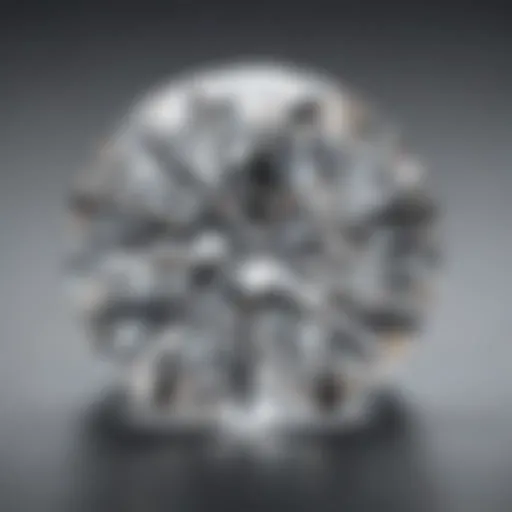
Diamonds, whether cultivated in a laboratory or formed over millennia in the depths of the Earth, are carbon crystals that present a stunning brilliance. Natural diamonds are born through the geological processes that take eons, enduring extreme heat and pressure, while lab-grown diamonds are crafted using advanced technology to replicate these very conditions. Each type boasts its own identity, yet both share a fundamental resemblance—its rarity, durability, and timeless allure.
Physical Properties
Both lab-grown and natural diamonds display remarkable physical attributes, often indistinguishable to the naked eye. Here are some key features:
- Hardness: Both types score a 10 on the Mohs scale, making them the hardest known natural material.
- Brilliance: The optical properties of diamonds lead to phenomenal light dispersion. This quality captivates lovers of gemstones alike.
- Clarity: In terms of clarity, lab-grown diamonds often emerge purer compared to natural ones, mainly due to controlled growth conditions.
In essence, while the physical characteristics may be similar, the story of their creation sets them vastly apart. This difference plays a significant role in their market value and consumer perception.
Healing Properties
Metaphysical Attributes
Many gemstone enthusiasts believe diamonds bring clarity, balance, and alignment—not just on a physical level, but also emotionally and spiritually. While science doesn't substantiate these claims, practitioners often prize both lab-grown and natural diamonds for their supposed healing properties.
- Emotional Stability: Some contend that diamonds can enhance one's emotional resilience, offering comfort during tumultuous times.
- Clarity of Thought: People often use diamonds to promote mental clarity, which may aid in decision-making.
Common Uses in Holistic Practices
In holistic circles, diamonds are sometimes employed as tools for chakra balancing or meditation, regarded as powerful amplifiers of intention. Collectors and users alike may choose either type based on their values and beliefs: some may prefer natural diamonds for their ancient history and uniqueness, while others might opt for lab-grown versions as they align more closely with technological advancements and ethical standards.
"The choice between lab-grown and natural diamonds is not merely a financial decision; it is intertwined with personal values, ethics, and the story you wish to communicate through your choice of gemstone."
As we navigate through the maze of diamond distinctions, remember that your perspective shapes your investment. Whether you lean towards the glitter of lab-grown diamonds or the age-old charm of their natural relatives, understanding the underlying factors will steer you toward a decision that feels just right.
Intro to Gemstones
The world of gemstones is filled with fascination and complexity, serving as a bridge between nature's creations and humanity's artistry. An understanding of gemstones is not just important for collectors and enthusiasts; it’s fundamental for anyone engaged in the realm of jewelry, design, or even geology. This section sets the groundwork for a nuanced discussion about diamonds—both lab-grown and natural—by shedding light on their significance and the broader context in which they exist.
Gemstones are defined as precious or semi-precious stones, valued for their beauty, rarity, and durability. They have enchanted human civilizations for centuries, often embodying cultural symbols, monetary value, and substantial emotional significance. By grasping the fundamentals of gemstones, one can appreciate the allegorical heft they carry, as well as their practical uses in various applications.
Elements to Consider
- Cultural Significance: For many, gemstones represent more than just material wealth; they can signify love, power, and status. Diamonds, for instance, often symbolize commitment. Understanding this emotional context enriches the experience of buying or gifting a gemstone.
- Market Trends: As the market for gemstones evolves, being aware of trends helps navigate buying decisions. For example, the rise of lab-grown diamonds has sparked debates about ethics, sustainability, and value, making it crucial for potential consumers to understand these dynamics.
- Gemological Knowledge: An appreciation of gemology—the scientific study of gemstones—provides insights into how quality is assessed, which influences both aesthetic and economic value. Factors like clarity, cut, color, and carat weight are pivotal in determining the worth of a diamond.
The insights derived from this foundational knowledge enable gemstone enthusiasts to navigate the complexities of the market with confidence. As we dive deeper into specifics in the subsequent sections, the connections between cultural narratives and scientific realities will become apparent. This solid understanding of gemstones serves as the backbone for comparing lab-grown and natural diamonds, ultimately guiding individuals to make informed choices.
"In the world of diamonds, clarity is not just about the stone; it's about understanding the implications of your choice."
This article will embark on a detailed exploration of diamonds—examining them through various lenses, from their formation processes to ethical considerations and consumer perceptions. Such knowledge will equip readers with the tools necessary for discerning value—beyond mere aesthetics, into the realm of ethics and personal significance.
Understanding Diamonds
Understanding diamonds is crucial for anyone delving into the world of gemstones. They are not just a symbol of luxury, but also hold deep cultural and emotional significance. Whether it's a sparkling engagement ring or a grandmother's heirloom, diamonds evoke feelings that tap into our collective history and individual memories. Distinguishing between the various types—like lab-grown and natural diamonds—enhances our appreciation for these magnificent stones, guiding consumers in their purchasing choices and collectors in their investments.
When looking closely at diamonds, we realize that their luster and beauty come layered with varying meanings, implications, and values. Recognizing these aspects informs our choices, whether it be for personal adornment or investment purposes. Understanding diamonds also entails grasping how their origins—from formation processes to market dynamics—influence our perceptions and decisions.
What Defines a Diamond?
A diamond is more than just a piece of jewelry; it's a geological wonder. Scientifically speaking, diamonds are carbon atoms arranged in a crystal lattice structure, which is what gives them their legendary hardness. However, when we talk about what truly defines a diamond, we must consider aspects beyond just physical composition.


Key attributes that frame the very identity of a diamond include:
- Carat Weight: This denotes size and can greatly affect value.
- Cut Quality: Refers to how well the diamond has been shaped and faceted, impacting its brilliance.
- Color: Diamonds come in various shades, with colorless being the most sought-after.
- Clarity: Refers to the presence of internal flaws or inclusions; the fewer the flaws, the higher the quality.
These characteristics intricately weave together to create the essence of a diamond, ultimately shaping not only its physical beauty but also its worth in the marketplace.
The Role of Diamonds in Culture and Society
Diamonds play a multifaceted role in human culture, entwining themselves in social rituals, status symbolism, and personal expressions. Historically, they have signified power and wealth. Monarchs adorned themselves with exquisite diamond tiaras that sparkled under the grandest chandeliers, compelling their subjects to recognize their authority and prestige.
In modern society, diamonds are often synonymous with love and commitment, especially when it comes to engagement rings. The phrase "A diamond is forever" encapsulates this sentiment, highlighting how deeply embedded diamonds are in our life events and relationships. Here are some notable cultural facets of diamonds:
- Marriage: Engagement rings, typically featuring prominent diamonds, symbolize love and fidelity, making them crucial in romantic milestones.
- Status Symbols: The size and quality of a diamond can reflect personal achievements, often becoming a measure of success in certain social circles.
- Symbolic Gifts: Diamonds are frequently given as gifts representing significant moments of life: anniversaries, birthdays, or even self-rewards.
In essence, the societal significance of diamonds extends far beyond aesthetics, intertwining with our emotional fabric and collective traditions.
"Diamonds are like a time capsule, holding within them the history of the earth and the emotions of humankind."
Continued exploration of diamonds unveils more than just their physical attributes; it reveals their profound impact on culture, economy, and personal identity. Understanding these elements paves the way for a more meaningful interaction with these remarkable stones.
Formation Processes of Diamonds
Understanding how diamonds are formed is crucial for anyone delving into the world of gems. It’s not just about the sparkle; it’s about the journey they undertake from the depths of the Earth or a laboratory to your palm. The formation processes, whether natural or lab-grown, reveal a lot about the diamond's identity, value, and ethical considerations. By examining these processes, one gains insight into the characteristics and significance of each type of diamond.
Natural Diamond Formation
Geological Conditions
Natural diamonds are birthed under extraordinary geological conditions, typically 150 to 200 kilometers beneath the Earth's surface. The combination of high pressure and immense heat creates an environment where carbon atoms can crystallize into diamonds. These conditions, found in the mantle layer of the Earth, are rare. The formation happens over millions of years, illustrating not only the time needed for creation but also the immense geological processes at play.
A key characteristic of these geological conditions is their unpredictability. Places like the Koffiefontein mine in South Africa or the Golconda mines in India are examples of where these conditions are met, leading to the formation of highly valued natural diamonds. However, these localized conditions can result in scarcity, adding to the allure and cost of natural diamonds in the marketplace. While the rarity is a beneficial aspect for those valuing natural diamonds highly, it also makes it a precarious choice for buyers, as availability often fluctuates due to mining practices and environmental policies. Thus, a natural diamond's journey is intertwined with both geological rarity and market demand.
Timeframes for Formation
When it comes to natural diamonds, one cannot overlook the lengthy timeframes required for their formation. It can take anywhere between 1 billion to 3 billion years for a natural diamond to form. This extensive period stands as a testament to the profound earth processes involved, making each natural diamond a piece of history.
A significant advantage of this long formation time is that it imbues natural diamonds with a unique pedigree and character, reflecting the ancient conditions under which they were created. Collectors and jewelers alike often find charm in the thought that a diamond they hold was formed during the age of dinosaurs. However, this time-consuming process also means that the supply cannot quickly be increased to meet sudden market demands, leading to price spikes during periods of high interest. In a market dominated by the classic romantic idea of diamonds being part of ancient history, natural diamonds hold a sentimental weight that lab-grown counterparts struggle to replicate.
Lab-Grown Diamond Creation
(Chemical Vapor Deposition)
Lab-grown diamonds use advanced technology to mimic natural processes, with Chemical Vapor Deposition (CVD) standing out as a prominent method. In this process, diamonds grow in a controlled environment using a carbon-rich gas. When this gas is heated, carbon atoms deposit onto a substrate, gradually crystallizing into diamonds. One of its defining features is the ability to control the growth conditions, which allows for the creation of diamonds in various colors and sizes.
CVD diamonds are often celebrated for their ethical output, as no mining is involved. Creating these diamonds in a lab means they do not carry the stigma associated with blood diamonds. This method can produce visually stunning stones at a faster pace, leading to a more consistent supply in the market. However, some might argue that lab-grown diamonds lack the romantic allure associated with their natural counterparts, given their synthetic origins. Furthermore, while CVD can lower costs, it also faces challenges in changing consumer perceptions against natural diamonds.
HPHT (High Pressure High Temperature)
High Pressure High Temperature (HPHT) is another method for creating lab-grown diamonds. Mimicking the natural conditions found deep within the Earth, HPHT uses extreme pressure and temperatures to crystallize carbon into diamond. This technique produces gems that are often indistinguishable from natural diamonds, even to trained gemologists. The unique aspect of HPHT lies in its efficiency; diamonds can be created in a matter of weeks instead of billions of years.
A significant advantage of HPHT is its potential to create diamonds that are physically and chemically comparable to mined diamonds. For consumers interested in value, HPHT presents a paradox: while these diamonds can be cheaper, their very nature may lead some to question their place in the luxury market. Additionally, pro-lab advocates emphasize the sustainability angle, arguing that HPHT is a more ethical option compared to traditional diamond mining. However, the challenge remains in bridging the gap in perception, making buyers continually weigh the symbolic value of natural gems against the practicality of lab-created options.
"The story of a diamond isn’t just about its shine; it’s about its history and how it came to be."
Physical and Chemical Properties
Understanding the physical and chemical properties of diamonds, whether lab-grown or natural, provides insight into their characteristics and potential applications. These properties help in differentiating not just the types of diamonds but also their suitability for various uses in jewelry and industry. Consumers and collectors alike look for specific attributes when investing in diamonds; therefore, knowing about them is crucial for making informed decisions.
Comparative Analysis of Properties
Hardness and Durability

Diamonds are celebrated for their incredible hardness, rated at 10 on the Mohs scale. This unrivaled hardness makes them not just prized gems in jewelry but also valuable tools in industrial settings. Hardness reflects a material's ability to resist scratches. When it comes to wear and tear, diamonds, whether derived from the earth or created in a lab, withstand the test of time quite well. This characteristic is a major reason why diamonds are a favored choice for engagement rings and other pieces intended for everyday wear.
A unique feature of the hardness of diamonds is that it is a natural characteristic stemming from their atomic structure, where carbon atoms bond in a crystal lattice, offering tremendous structural integrity. The major advantage here is resilience – you can be certain that a diamond won't easily show signs of wear. However, this robustness does come with a flip side; while diamonds are scratch-resistant, they can chip or break if struck at the right angle, particularly if they have inclusions or poor quality grading.
Clarity and Color Features
When it comes to clarity and color, diamonds can exhibit a wide array of characteristics. Clarity refers to the presence of internal or external flaws, known as inclusions and blemishes, respectively. It's often desirable to seek diamonds with higher clarity ratings since they appear more luminous and allow light to dance through them more effectively, enhancing their beauty. This aspect contributes significantly to a gem's overall allure.
In terms of color, diamonds range from completely colorless to shades of yellow, brown, or even rare colors like blue and pink. Color grading is essential for understanding how a diamond's hue affects its value. A common misconception is that colorless diamonds are always the best choice, but colored diamonds, especially in rarer shades, are often sought after for their uniqueness and beauty. The trade-off with clarity and color comes down to personal preference and market trends. Some collectors look for diamonds with a rich color, while others lean towards the classic clear stones.
Gemological Testing Techniques
In the realm of gemology, meticulous testing techniques play a pivotal role in assessing the authenticity and quality of diamonds. Gemologists employ specialized tools and equipment to evaluate diamonds thoroughly. The use of refractometers, microscope examinations, and spectroscopy all contribute significantly to determining a diamond's properties.
Understanding these testing techniques is essential for consumers, as it assures them of the quality of the product they are purchasing. The advent of lab-grown diamonds has heightened the need for stringent evaluation methods, as distinguishing between lab-grown and natural diamonds takes specialized knowledge and tools. For anyone considering a purchase, knowledge of these tests can serve as a beneficial cornerstone in their decision-making process.
"In the world of gemstones, knowledge is the best advisor. The more informed you are, the better your choices will be."
Market Dynamics
Understanding the market dynamics surrounding diamonds—both lab-grown and natural—offers critical insights into their value and appeal. The various economic, cultural, and ethical factors influencing the diamond market shape consumer choices and industry behavior. This section unpacks those elements, giving readers a clearer view of the forces at play in this intricate marketplace.
Price Variations
Factors Influencing Pricing
When it comes to pricing diamonds, several factors weigh in significantly. Lab-grown diamonds typically cost less than their natural counterparts due to differences in their creation process and supply chain capabilities. The most direct factors impacting pricing include:
- Production Costs: Creating lab-grown diamonds utilizes advanced technologies like CVD and HPHT, which, while initially expensive to set up, result in lower prices over time as the technology becomes more widespread.
- Market Demand: The increasing consumer awareness of lab-grown diamonds and their ethical advantages has ramped up demand, affecting pricing strategies as manufacturers adjust to meet this evolving landscape.
- Rarity and Origin: Natural diamonds, formed deep within the Earth over millions of years, inherently carry a narrative of rarity. This not only influences their market price but also imbues them with a sense of heritage and permanence that some consumers find highly appealing.
In summary, the unique nature of each diamond type leads to distinct pricing structures shaped by production costs, market demand, and the intrinsic stories attached to these gemstones.
Market Trends and Reactions
The diamond market does not exist in a vacuum; it reacts and adapts to broader societal shifts. The rise of synthetic alternatives has sparked intriguing market trends. Key characteristics of this phenomenon include:
- Increasing Popularity of Lab-Grown Diamonds: As consumers seek ethically sourced options, lab-grown diamonds are gaining popularity. This pushes natural diamond prices to adjust as they face increasing competition in terms of consumer preferences.
- Consumer Education: The market has seen a surge in informational campaigns aiming to educate buyers. Resources provided by companies and organizations help demystify the differences, influencing purchasing decisions.
- Sustainability Movement: Trends in sustainability significantly impact diamond choices. Many consumers are moving towards stones they perceive as less harmful to the environment, leading to an uptick in lab-grown diamond interest and prices potentially fluctuating.
Overall, market trends and consumer reactions to ethical considerations align with altering purchasing behaviors. As the landscape continues to evolve, the dynamics of pricing will reflect these shifts.
Availability and Supply Chain Considerations
Availability is a crucial element that influences consumer choice between natural and lab-grown diamonds. The supply chain for natural diamonds is significantly affected by mining practices that can be limited by geographic and regulatory constraints. In contrast, lab-grown diamonds are produced in controlled environments, making their availability less prone to the vicissitudes of nature. Factors at play here include:
- Accessibility: Lab-grown diamonds can be produced in large quantities, allowing for a more consistent supply and potentially lower prices for consumers.
- Supply Chain Transparency: With lab-grown gemstones, buyers are often afforded a clearer understanding of the production process, fostering trust and confidence in their purchases, whereas natural diamond sourcing can sometimes involve complex chains that raise ethical concerns.
Ethical Concerns and Sustainability
The conversation surrounding diamonds today isn't just about sparkle and price tags; it’s increasingly focused on the ethical implications of their sourcing and production. In a world where consumers are becoming more conscious of their purchasing decisions, the ethical concerns related to diamonds play a pivotal role in the decision-making processes of buyers. Whether considering a ring for a partner or adding to a collection, understanding these factors is essential.
When discussing ethical concerns, two main points arise: the sourcing of natural diamonds and the environmental impact of lab-grown diamonds. Each diamond type presents unique considerations and implications for buyers who wish to align their choices with their values.
Blood Diamonds vs. Ethical Alternatives
The term "blood diamonds" is infused with a history of conflict and exploitation. Natural diamonds mined from war-torn countries have often funded violence and human rights violations, leading to significant activism aimed at confronting these issues. Initiatives like the Kimberly Process were established to prevent the sale of conflict diamonds; yet, the effectiveness of such measures remains questionable. Beyond the glamour, there's an unfortunate backstory to many stones that find their way into the market.
In contrast, lab-grown diamonds present themselves as an ethical alternative free from such conflicts. These diamonds are engineered in controlled environments using advanced technology, thus ensuring that their production does not contribute to human suffering. By choosing lab-grown stones, consumers take a stance against the darker side of diamond mining.
"Choosing a lab-grown diamond supports not only a transparent process but also a more equitable future for those involved in the stone trade."
While lab-grown diamonds promise a more ethical journey, they're not without their own set of questions about long-term sustainability and consumer perception. Buyers should weigh the implications of their choices while considering factors such as branding and societal influence.


Environmental Impact of Lab-Grown vs. Natural Diamonds
The environmental footprint of diamonds, both natural and lab-grown, brings forth a myriad of questions among consumers. Natural diamonds are primarily extracted from the earth through mining, a process that can lead to deforestation, habitat destruction, and depletion of natural resources. Mining operations are notoriously disruptive to local ecosystems and can often result in substantial carbon emissions as well.
In contrast, lab-grown diamonds generally have a smaller environmental impact. The creation processes, namely Chemical Vapor Deposition (CVD) and High Pressure High Temperature (HPHT), are less taxing on the environment compared to traditional mining methods. They use significantly less energy and water, and they avoid the catastrophic ecological consequences of mining.
However, it's essential to note that lab-grown diamonds, although more environmentally friendly, are not entirely devoid of environmental implications. The production still involves energy consumption, and depending on the energy sources used, emissions can vary widely.
To summarize:
- Natural Diamonds:
- Lab-Grown Diamonds:
- Involved in deforestation and habitat loss
- High carbon footprint due to mining processes
- Risk of supporting conflict and unethical practices
- Lower energy and water use
- Reduces environmental disruption
- Potentially high carbon footprint depending on power sources
Consumer Perceptions and Psychological Factors
When delving into the world of gemstones, specifically lab-grown vs natural diamonds, one must not ignore the powerful currents of consumer perceptions and psychological factors at play. Here, we are not just talking numbers and clarity ratings; we are discussing emotional connections, social signals, and values that drive choices. The way people perceive these two types of diamonds can greatly influence their purchasing decisions.
Branding and Marketing Influence
Branding holds a significant sway over consumer attitudes towards lab-grown and natural diamonds. The image a brand projects can either draw a buyer in or push them away. For instance, brands like De Beers have cultivated a traditional narrative surrounding natural diamonds as symbols of love and commitment. This enduring narrative shapes public perception and loyalty.
Conversely, newer brands specializing in lab-grown diamonds have aimed to redefine luxury by promoting sustainability and transparency. The idea that someone can wear a diamond without the environmental and ethical conflicts associated with natural stones resonates particularly well with younger consumers. When marketing a product, storytelling becomes a crucial element.
- Authentic narratives highlight:
- The environmental benefits of lab-grown diamonds
- Transparency in sourcing natural diamonds
- The advancements in technology that make lab diamonds possible
Through effective branding, some companies manage to instill an association of sophistication and modernity with lab-grown diamonds, creating a perception that they are not merely substitutes but a smart, ethical choice. The juxtaposition of traditionalism versus innovation showcases the complexity in consumer decision-making.
Buying Preferences Among Different Demographics
Consumer preferences can diverge widely across various demographics, impacting the diamond market substantially. The motivations to choose one type of diamond over another differ by age, socioeconomic status, and cultural background. For example:
- Millennials and Gen Z tend to favor lab-grown diamonds. This demographic values sustainability, and they often opt for purchases that reflect their ethical beliefs. They are likely to respond positively to brands that communicate corporate social responsibility.
- On the other hand, older generations, particularly Baby Boomers, may hold onto the longstanding tradition of natural diamonds. Their buying decisions often come with the perception of legacy and authenticity; the idea that a natural diamond carries a story etched in time.
Understanding these patterns can provide insights into how companies position their products. Brands may offer tailored marketing strategies that resonate more deeply with their target audience:
- Emphasize Quality: Younger consumers seek value, while older demographics appreciate the luxurious feel of natural stones.
- Targeted Campaigns: Specific advertising campaigns can be oriented towards each demographic's unique values and social contexts.
- Engagement Strategies: Engaging with consumers on social media platforms allows brands to gather feedback and adapt their strategies in real-time.
"Consumer preferences evolve, and so must our understanding of what influences those choices."
For more detailed insights and analysis, you can explore resources on consumer behavior at Wikipedia or refer to research studies available on Britannica and public insights from platforms like Reddit.
As the diamond market continues to evolve, staying informed about results in consumer psychology offers a clearer view of both lab-grown and natural diamonds' distinct positions.
The End: Making an Informed Choice
In the world of gemstones, the choice between lab-grown and natural diamonds is pivotal. With so many options available, understanding the nuances of each can be overwhelming. This section emphasizes the importance of an informed decision, focused on key elements like personal values, ethical implications, and financial considerations. The awareness you gain from the comparisons throughout the article can significantly influence your choice, turning what can be a complex purchase into a confident investment.
Choosing a diamond—whether for an engagement, heirloom piece, or simple ornamentation—should resonate deeply with your beliefs and preferences. Are you drawn to the authenticity that comes with natural diamonds, or do you align more with the ethical advantages of lab-grown diamonds? Each has a story worth telling.
Summary of Key Points
As we’ve parsed through the details, several key points stand out:
- Formation and Creation: Natural diamonds are formed through geological processes over billions of years, while lab-grown diamonds are created within weeks using advanced technology.
- Physical and Chemical Properties: Both types of diamonds possess similar chemical compositions and physical attributes, making them indistinguishable to the naked eye and even in some gemological testing.
- Market Dynamics: The prices of diamonds can fluctuate significantly based on market demand and availability, with lab-grown diamonds typically offered at lower price points than their natural counterparts.
- Ethical Considerations: The debate on blood diamonds and ethical sourcing gives lab-grown diamonds an edge for many consumers who prioritize sustainability.
- Perceptions and Preferences: Branding and cultural connotations weigh heavily on consumer choices, with individual perspectives influencing which type of diamond they prefer.
Future Trends in the Diamond Market
Looking ahead, the diamond market is poised for transformations influenced by several factors:
- Technological Advancements: As production methods for lab diamonds continue to evolve, we could see enhanced quality and diverse options flooding the market, altering perceptions.
- Sustainability Trends: With an increasing focus on environmental impact, more consumers are likely to gravitate towards lab-grown options, fostering a shift in industry standards.
- Pricing Adjustments: Market dynamics could dictate price variations. As lab-grown diamonds gain popularity, they might reshape the economic landscape, forcing natural diamonds to adjust pricing strategies.
In summary, making an informed choice about diamonds involves reflection on ethical, personal, and financial criteria. As trends and technology evolve, staying abreast of industry changes ensures you’re not just informed, but empowered to make decisions that align well with your personal narrative in the world of gemstones.